MR RACER Turns One Bad Input Into a Useful Next Run
We compared the ten Action games with published Playflaming reviews. The question is what each one asks you to do: correct a racing line, choose equipment, manage a crowd, or time a single input. We also look at what happens after a mistake. A clear result can make a short failed run useful, while a confusing camera or an unexplained objective can leave you unsure what to try next. Desktop and mobile findings stay separate wherever only one version reached a playable result.
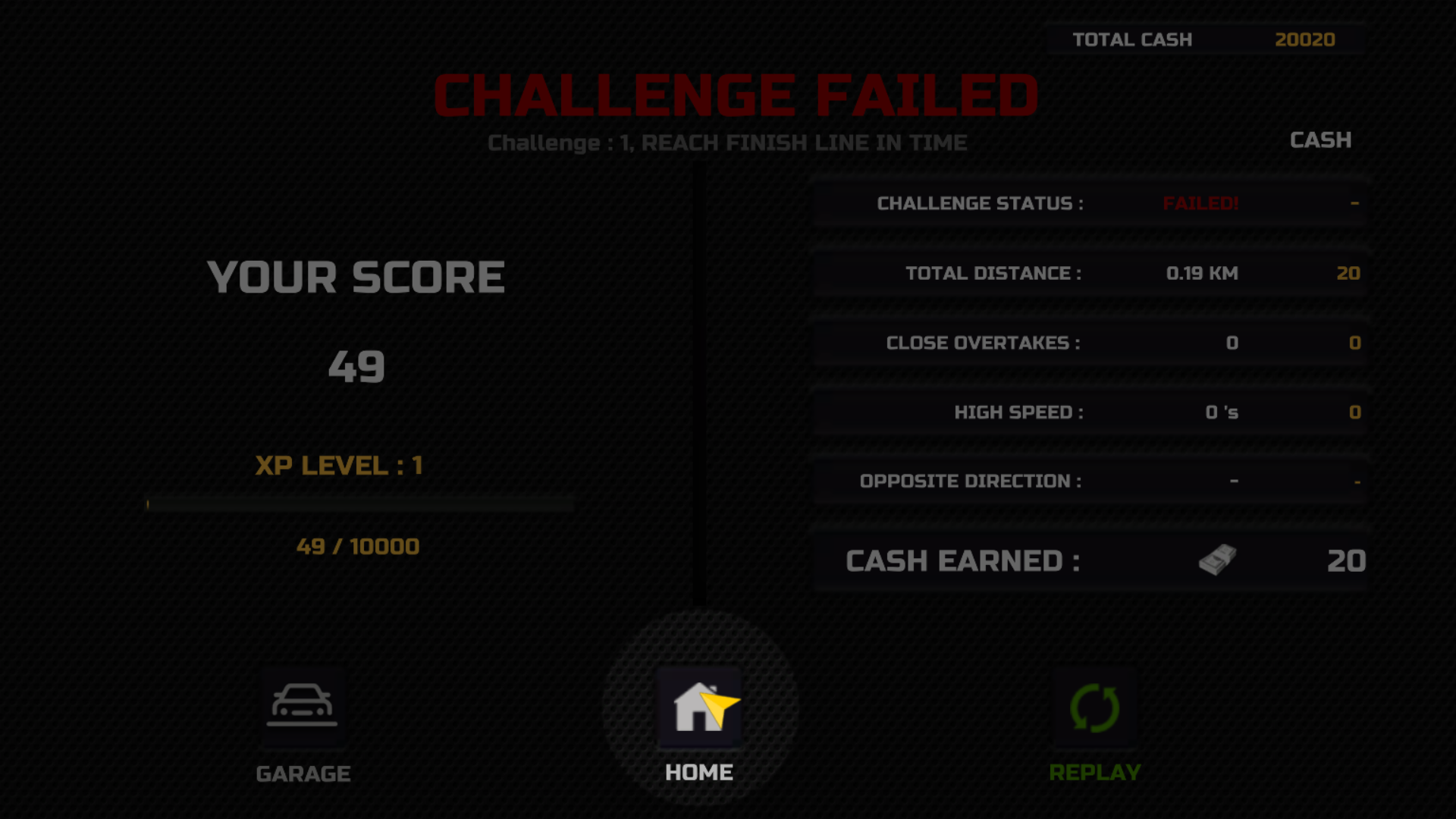
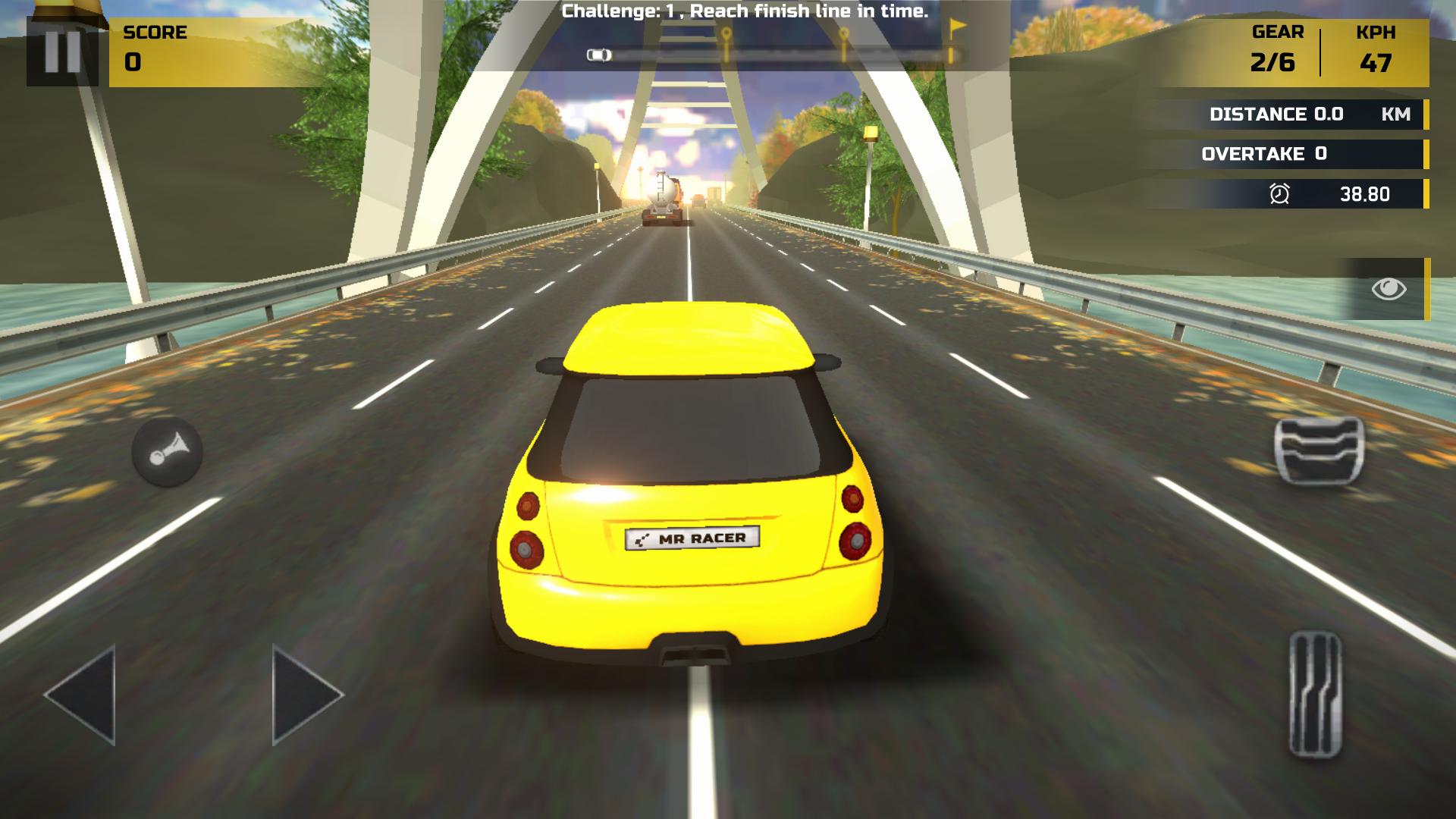
The first Challenge in MR RACER - Car Racing made the error unusually easy to isolate. Holding the right arrow at 82 KPH carried the yellow hatchback toward the guardrail. The result screen did not soften the outcome: Challenge Failed. It still recorded score 49, 0.19 km, zero close overtakes, and 20 cash. The next job is specific: build speed centrally, then replace one long steering hold with short taps.
MR RACER has measured evidence for the correction: the stock-car attempt reached a result panel with an exact distance, score, cash total, and failure state. Desktop steering is verified, while the mobile full-viewport route stalled at the Unity Bridge splash before touch steering could be tested. That makes it a useful choice for players who want traffic-lane correction and an explicit result, but not evidence for a comparable mobile loop.
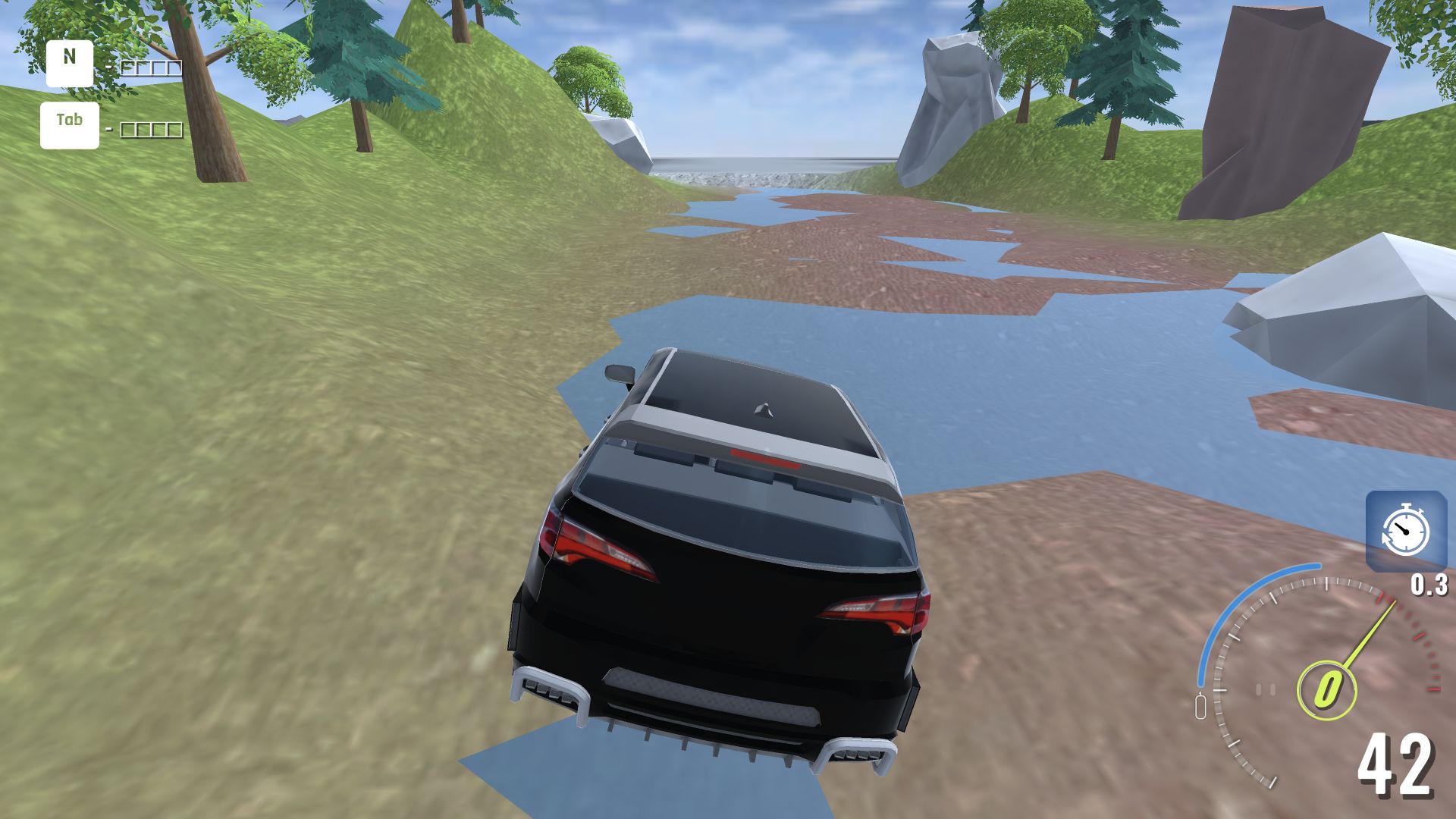
In BMG Crash Test, the SUV contacted a white rock and settled at 0 instead of glancing away cleanly. Reverse, right steering, and renewed acceleration freed it. That recoverable mistake makes BMG the gentler vehicle experiment here, although the observed impacts produced little persistent deformation and the mobile driving loop remained unverified.
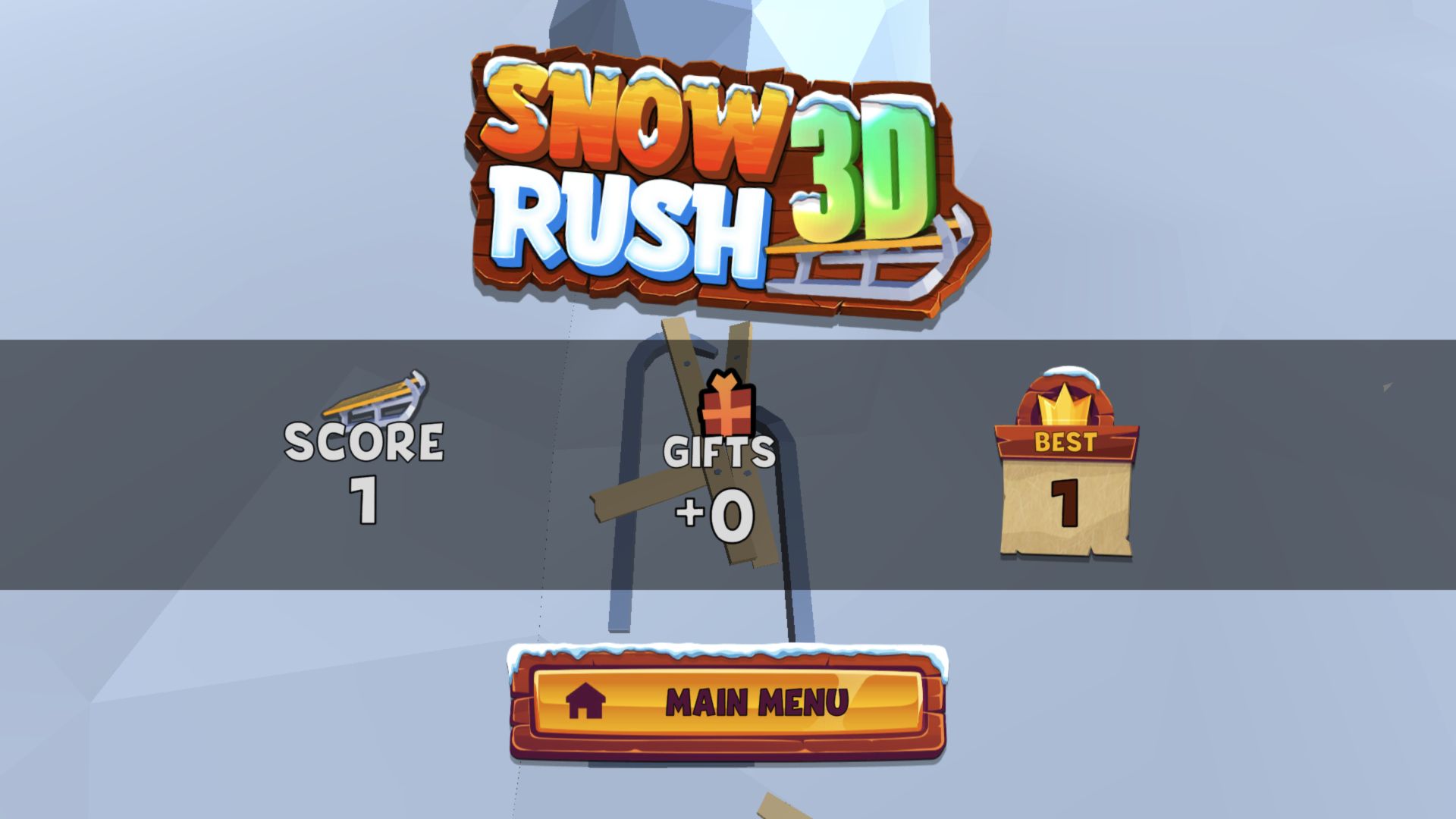
A more limited opening test comes from Snow Rush 3D. The original two desktop runs ended at Score 1 and Gifts +0. Two September follow-ups both ended at Score 2 and Gifts +0: an input trial and a no-input comparison. Matching follow-up scores did not validate a better steering or jump strategy. The three-second video revival and Watch +10 gifts offer add pressure around normal retries. This is a limited desktop first look; mobile gameplay and later-course variety remain unverified.
Knight Legend Automates the Attack; Zombie Hunter Automates the Weapon
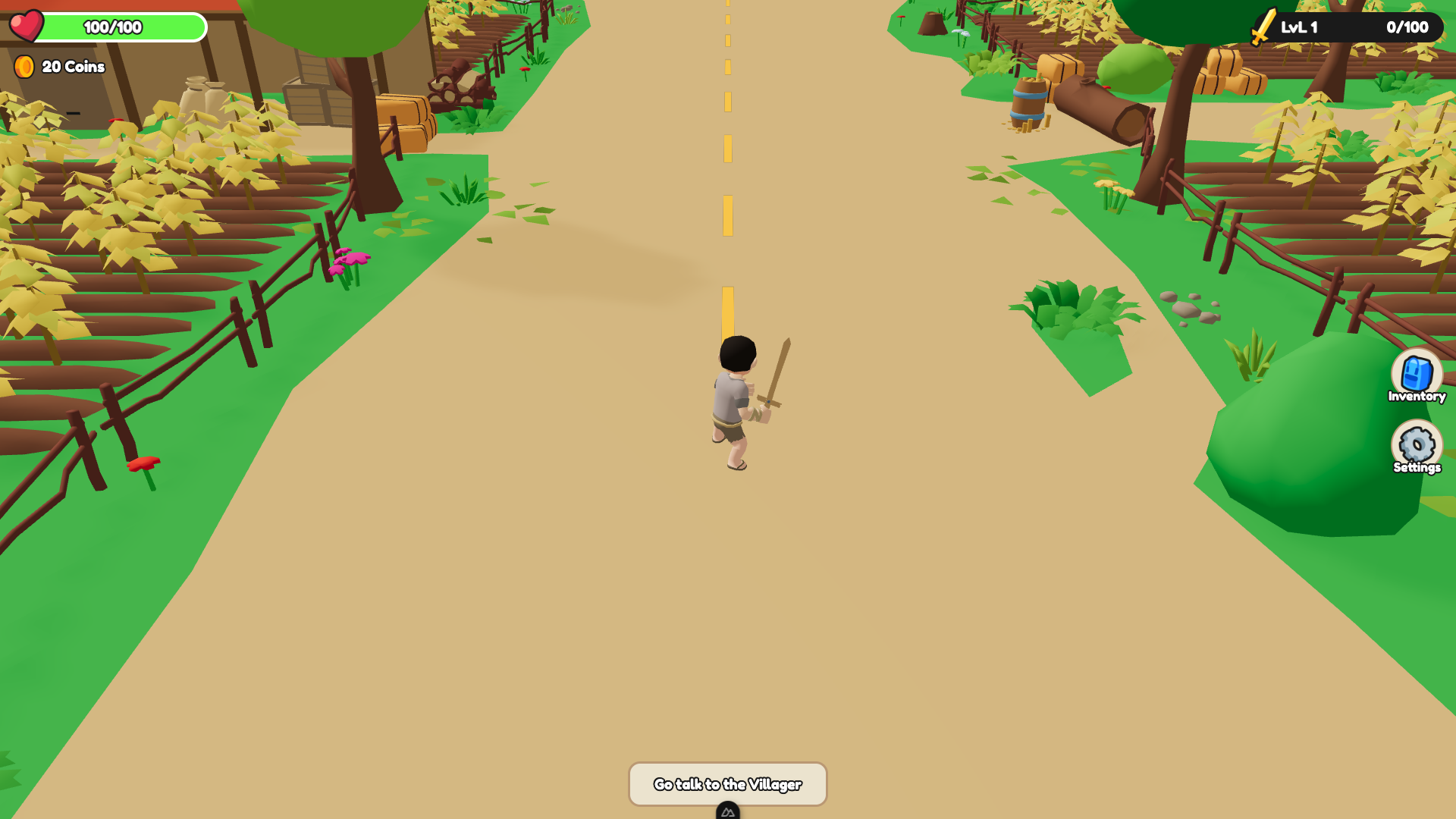
The first useful interaction in Knight Legend was pleasantly clear: the opening pickup added 10 coins, the Training Dummy added another 10, and equipping the Wood Sword raised the attack total from 20 to 40. Attacks trigger automatically near an eligible target, so the action question is where to stand. The friction came from a different place: roofs, trees, carts, fences, and the village well made a simple objective route harder to read.
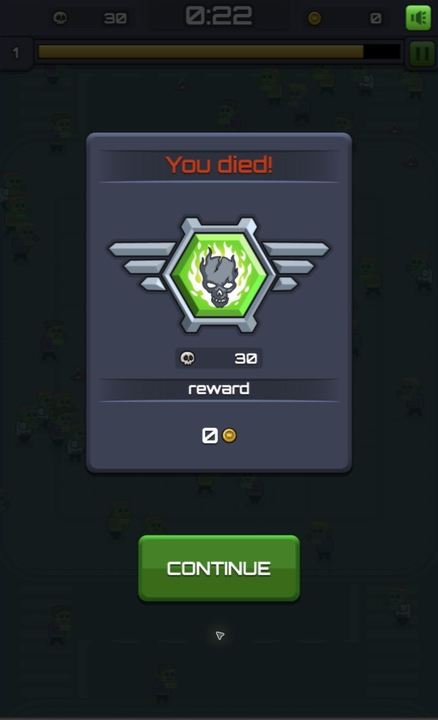
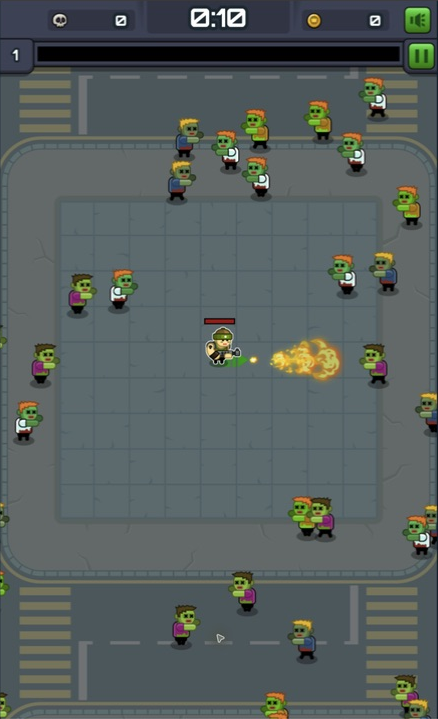
In Zombie Hunter: Survival, Movement is the only constant manual job. Weapons fire automatically while the player orbits the horde, collects experience, and pauses to choose upgrades. Deliberately standing still let the Gun reach 30 kills before the desktop run ended at 0:22 for zero coins. A touch-emulated attempt reached 36 kills at 0:26, but keyboard movement was clearer and more repeatable.
Knight Legend suits players who want visible RPG progression with low attack-input pressure and can tolerate collision and ad-handoff roughness; its mobile preroll never reached a completed loop. Zombie Hunter is the better choice for players who enjoy rapid drafting and route management. Its randomized weapon opening, Forcefield, Molotov, and other level-up choices form a build quickly, while the zero-coin short failures make survival time more important than an impressive early kill counter. Both reduce attack-button complexity, but they spend that attention differently: Knight asks for route reading and equipment choices, while Zombie asks for continuous safe movement around a changing crowd.
Stickman Kombat 2D Paid Out on Desktop and Touch
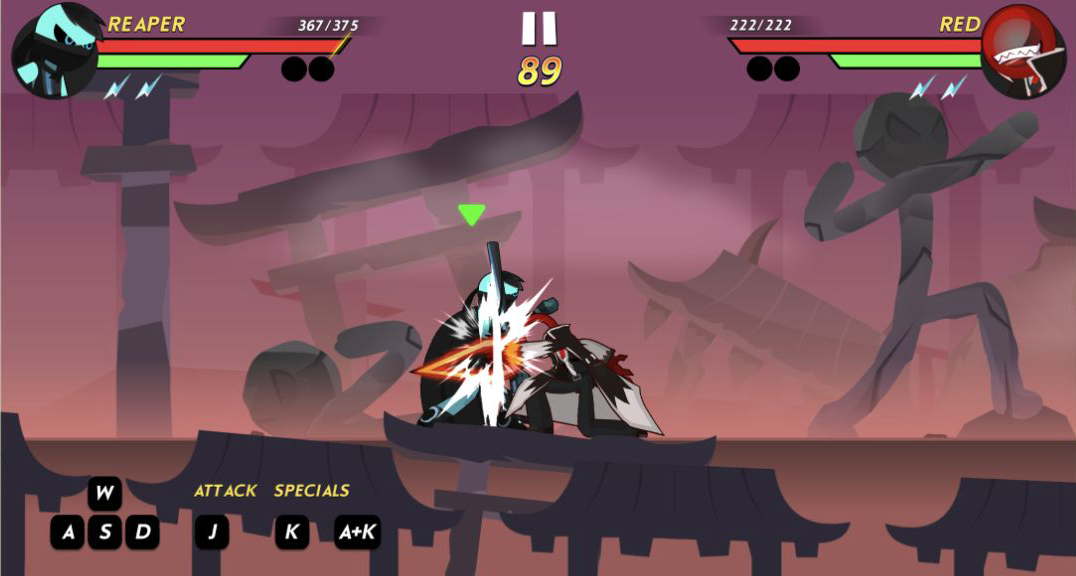
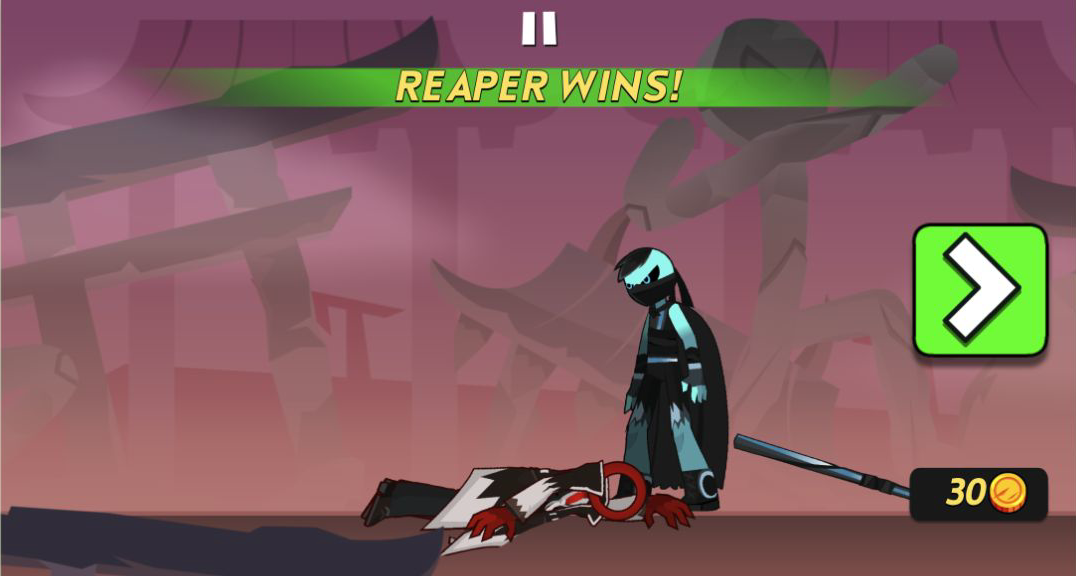
The shortest route to a decisive solo fight is Stickman Kombat 2D. Reaper won round one on remaining health, finished Red in round two, and the result was a clean REAPER WINS banner and a 30-coin reward. The desktop keyboard layout made spacing, standard attacks, specials, health, and connected-hit counters easy to read. The mobile result also reached REAPER WINS, displayed a +15 increment, and still showed the 30-coin balance.
That mobile completion does not make the two layouts equal. In portrait, the wide dojo occupies only a band of the tall screen, the health text becomes tiny, and the A/W/S/D/J/K buttons sit in a miniature row near the bottom. Stickman is therefore the stronger desktop recommendation for players who want brisk, readable duels; touch works, but the tested portrait fit is physically cramped. Pre-roll ads and fighter offers add menu friction without blocking either completed match.
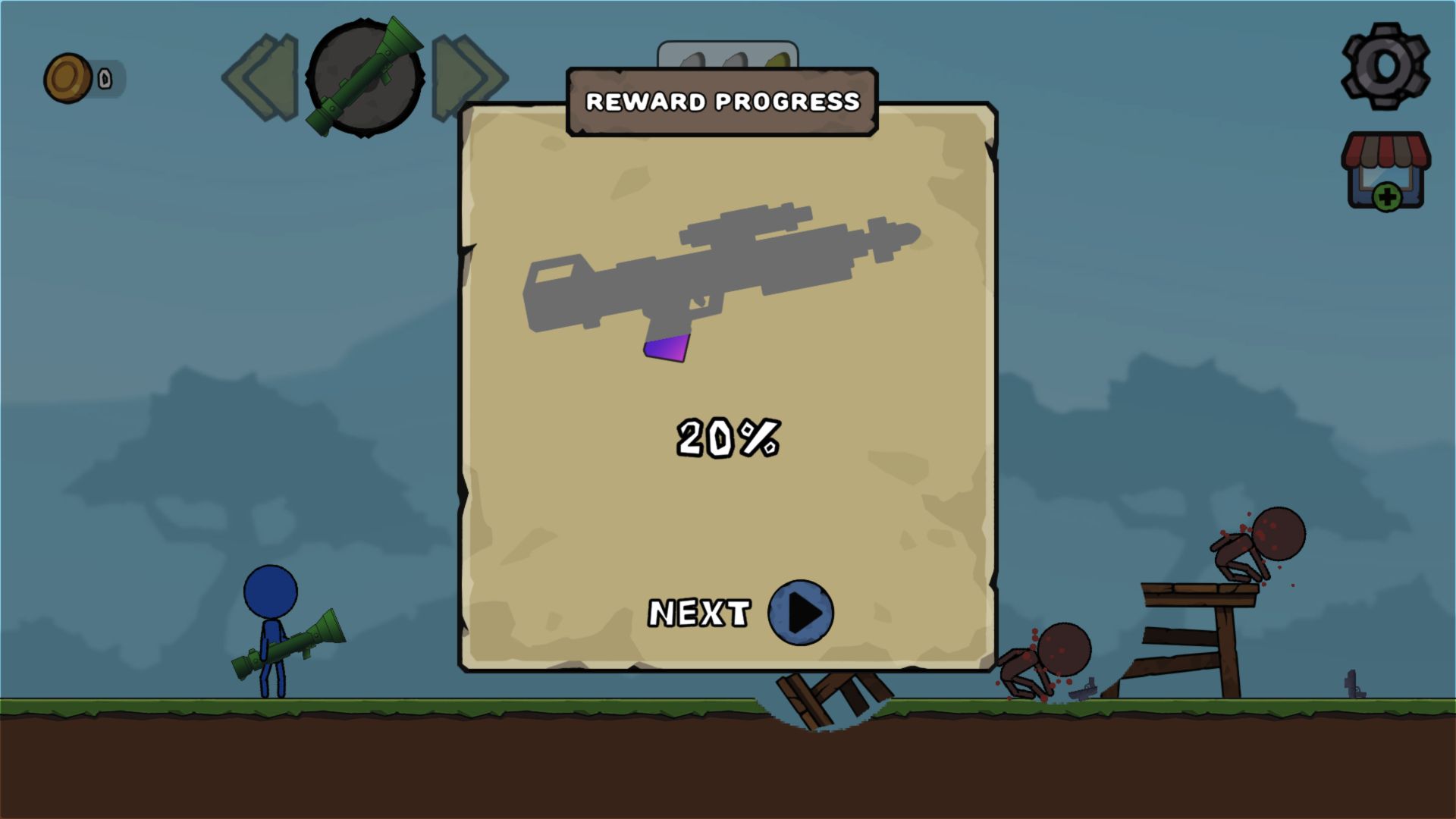
For deliberate projectile play, Stick Boy: Bazooka Ragdoll turns three rockets into a compact physics puzzle. The third blast toppled the final figure and completed the objective after the second shot had already damaged its support. It suits players who prefer reading a dotted arc and persistent debris; the complete evidence is desktop-only, and the optional video multiplier is conspicuous.
Stickman's advantage in this set is closure rather than an unsupported claim that it is the hardest or deepest action game. Both tested routes reached a visible win, while the health display, timer, connected-hit counter, and reward made the result easy to audit. Players who prefer deliberate exploration or long-term equipment planning may find the compact duel too narrow. Players who want one readable opponent, immediate spacing feedback, and a short route back to character selection have stronger evidence here than in the incomplete mission and mobile launches elsewhere in the comparison.
Crazy Bird Could Not Prove Its First Rescue
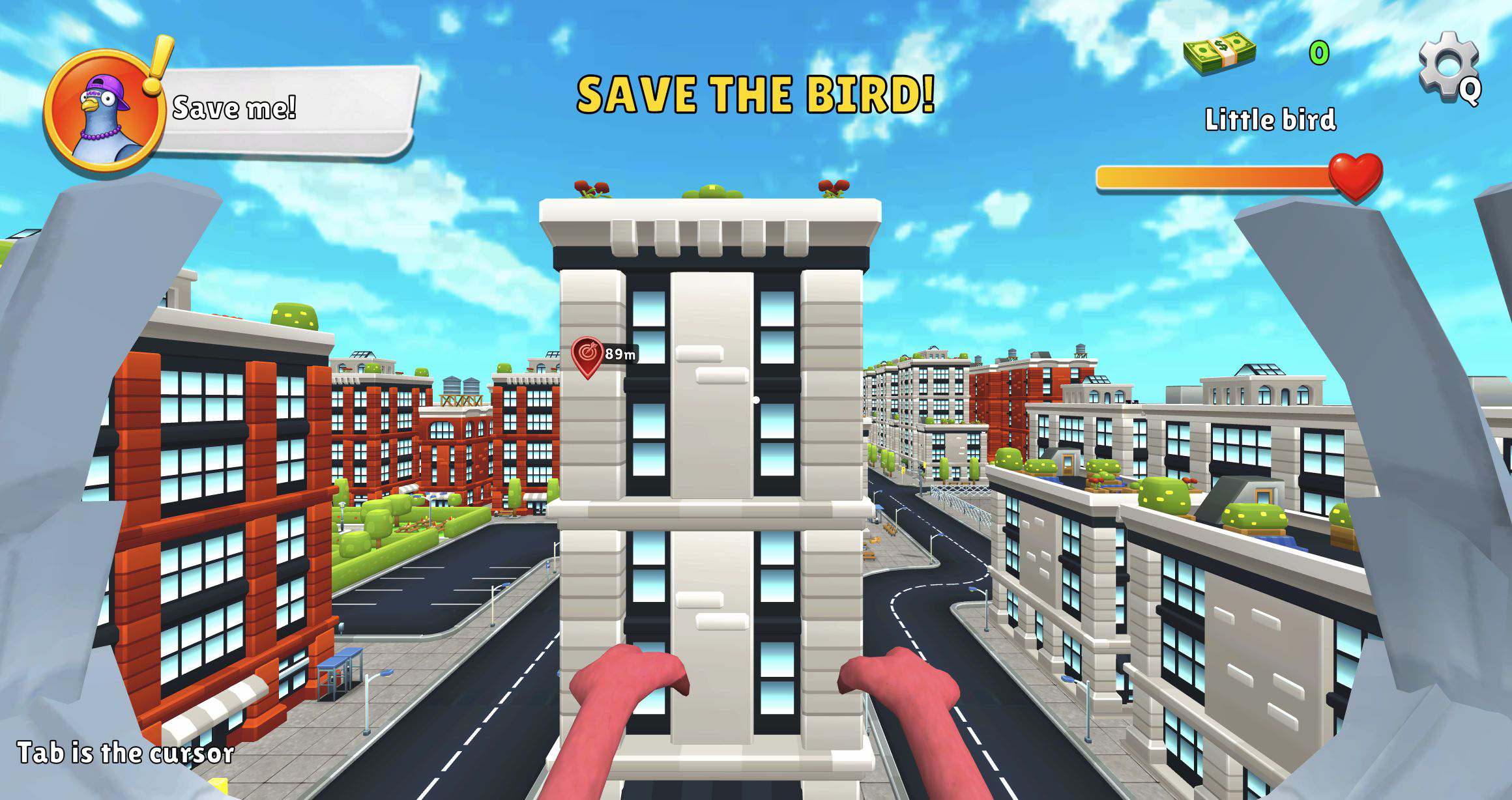
The evidence for I am Crazy Bird stops much earlier. Keyboard flight moved the first rescue marker from the opening distance toward the target, and collisions were forgiving, but buildings, unclear altitude feedback, and the absent turning explanation repeatedly broke the route. I cannot present a victory, reward or complete mission result. The mobile browser-emulation session still asked for Space and Tab, and no joystick or touch action buttons appeared. Its cheerful city and first-person wings are promising, but this remains blocked evidence rather than a recommendation.
The current evidence supports only a bounded desktop movement test. It does not support a successful rescue, a reward claim, or a usable mobile recommendation, so the game remains documented as incomplete rather than presented as a proven choice.
That distinction matters when choosing among these games. Crazy Bird may suit someone willing to explore a bright city and tolerate an unfinished objective while learning an unusual first-person flight view. It does not suit a reader looking for a verified result, dependable touch controls, or a clearly explained recovery loop. Keeping it in the comparison records the failure boundary honestly, but the completed Stickman duel, measured MR RACER loss, Knight equipment handoff, and Zombie Hunter run all provide firmer evidence for an immediate recommendation.
Geometry Arrow Resets Cleanly; Rooftop Run Fails with Less Explanation
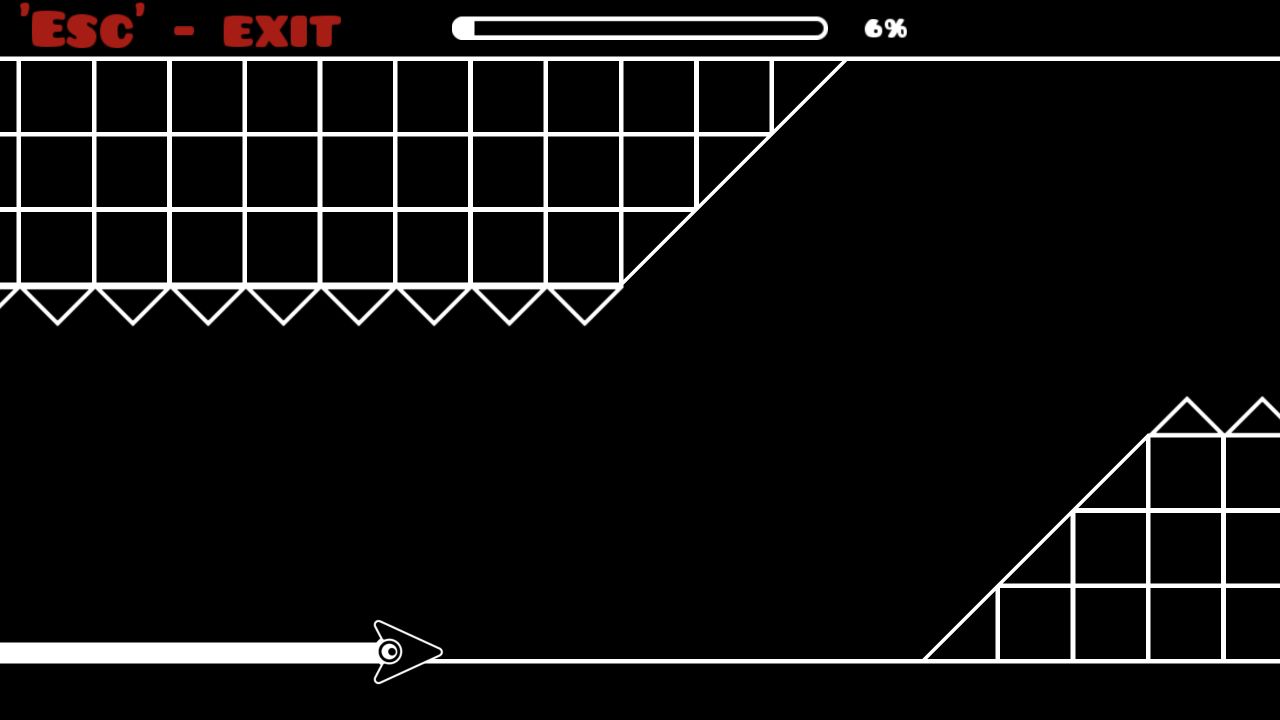
The most compressed action loop belongs to Geometry Arrow. One click or Space press reverses the arrow's vertical direction while forward motion continues. The verified desktop best was 8%, after which a collision returned the run to Click to Start without a result panel. That immediate reset keeps timing experiments cheap, but the severe opening, missing post-run history, and incomplete Level 1 result make this a precision challenge rather than a proven progression recommendation. The portrait check reached the level menu only, so touch timing remains unverified.
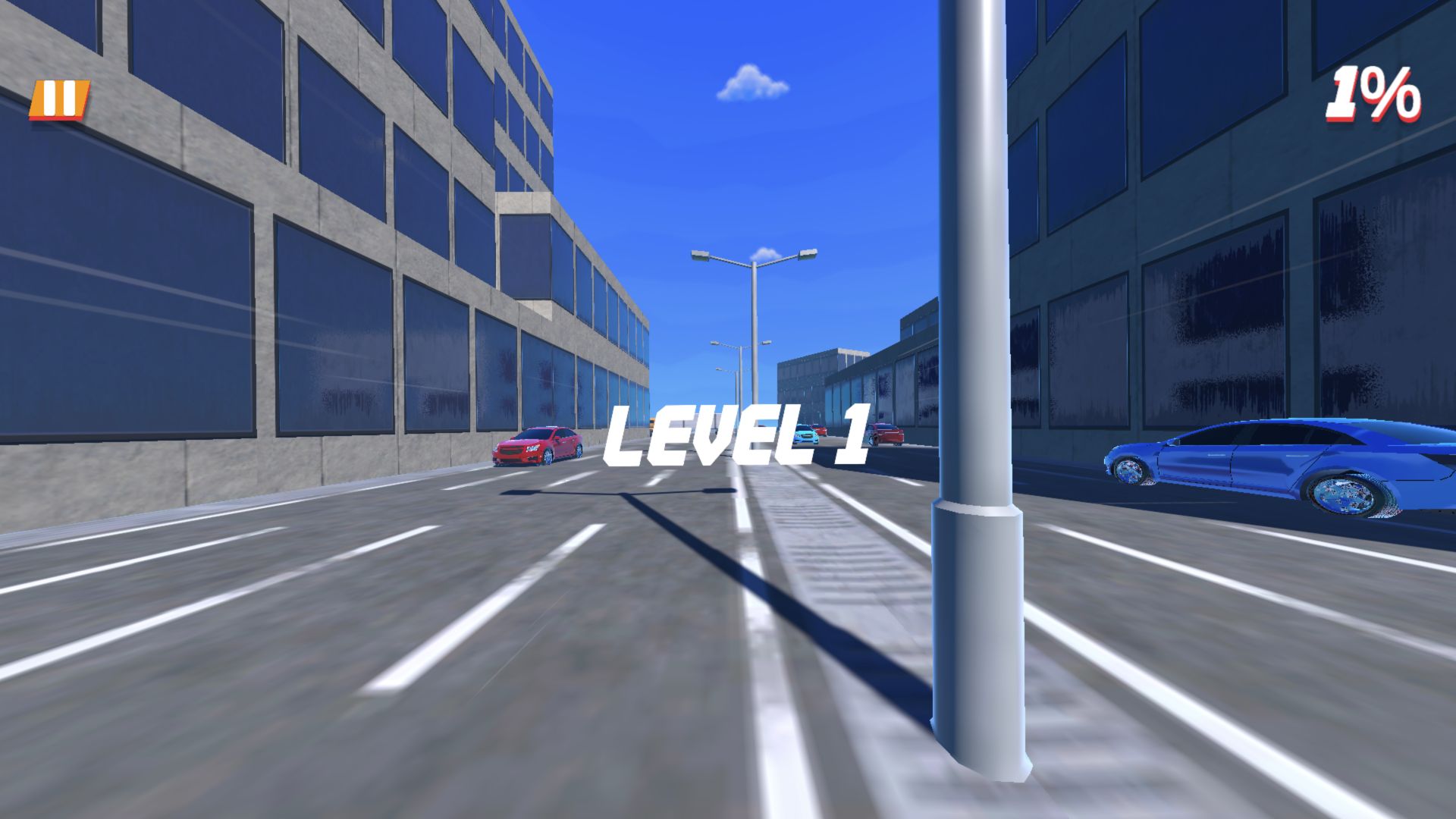
The opening of Rooftop Run confirmed a first-person camera tutorial and partial forward progress, but the camera became badly obstructed and effectively stuck near a streetlight. The attempt then produced LEVEL FAILED and a RETRY button, making the failure handoff clear without explaining its cause. Mobile reached the portrait Tap to Play screen without a comparable touch run. The premise may appeal to players who want immediate movement, yet the current evidence supports only a cautious camera-warning recommendation, not a claim that the first course was completed.
Both games begin with very little menu friction, but their failure evidence differs. Geometry Arrow turns a mistake into another measurable rhythm attempt within seconds without a separate result panel. Rooftop Run names the failure and offers Retry, yet still leaves the player diagnosing visibility and camera recovery. Choose the former for deliberately harsh one-button repetition; treat the latter as a promising but incomplete first-person run until a full course and comparable touch attempt are recorded.
How We Will Update This Action Comparison
Choose Stickman Kombat 2D for a finished desktop duel with a cramped portrait caveat, Stick Boy for a completed three-rocket puzzle, BMG for a recoverable driving sandbox, MR RACER for a measurable steering correction, Snow Rush 3D only for a limited opening-and-retry preview, Knight Legend for low-input gear progression, Zombie Hunter for movement-led horde drafting, and Geometry Arrow for a severe one-button retry loop. Treat Rooftop Run and I am Crazy Bird as bounded rather than completed until their first objectives and comparable touch controls can be verified.
New games enter this comparison after we publish a hands-on review. When a follow-up changes a result or resolves a limitation, we revisit the recommendation here as well. Until then, an unfinished mission stays unfinished and an untested touch control stays unverified. The linked reviews show the results, screenshots, and drawbacks behind each choice, so you can decide whether the part we actually played is the experience you want.