Choose one problem to practice
Getting better is easier when the game gives you feedback you can read. A stopped vehicle, a missed attack, a spent rocket, or a progress percentage can show exactly what changed. The examples below come from our existing hands-on reviews. They cover recorded early-game sessions, not every level or a newly completed set of tests.
Pick the example that matches your difficulty. For each attempt, keep the game, mode, and starting situation as similar as possible, then change one decision. That last step is a practice suggestion: the specific outcomes quoted below are the observations our reviews actually recorded.
Recover your position before adding speed
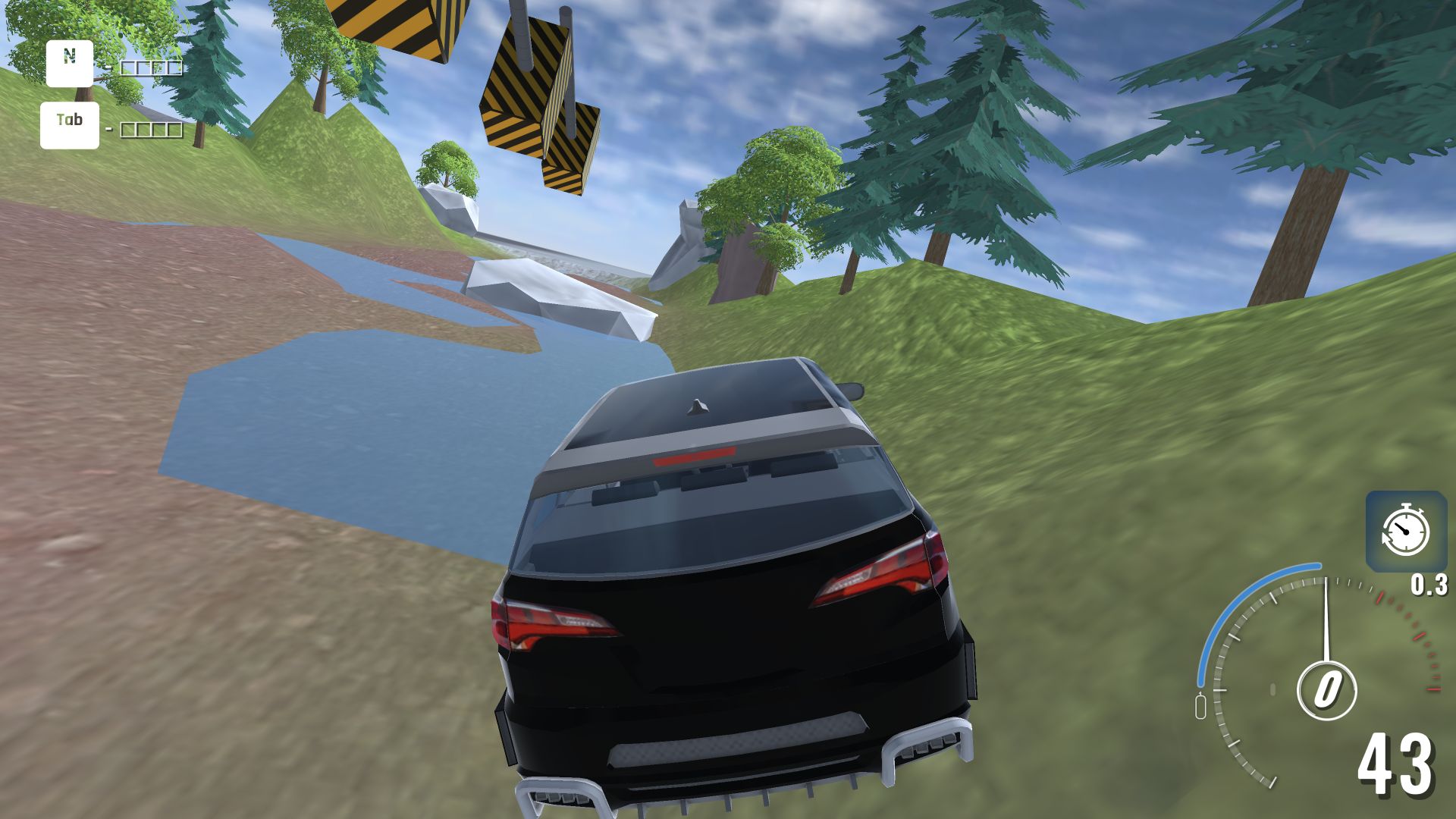
BMG Crash Test Review — A River Run, a Rock Impact, and a 51-Speed Escape supplied a useful recovery problem on its river course. The SUV hit a large white rock and stopped at zero speed. Repeated forward input did not free it; reversing with S, steering right, and accelerating again did.
The practical lesson is to change the angle when forward motion has become useless. Watch whether the vehicle has room to turn, reverse clear of the obstruction, and then approach again. This is grounded in the recorded recovery, not a promise that every collision can be solved in the same way.
For another attempt, try making smaller corrections before the rock and compare how much recovery you need. The river run used W to accelerate, A and D to steer, S to reverse, and C to change camera. It was a desktop session; a comparable touch-driving loop was not established.
Confirm attack range before spending a special
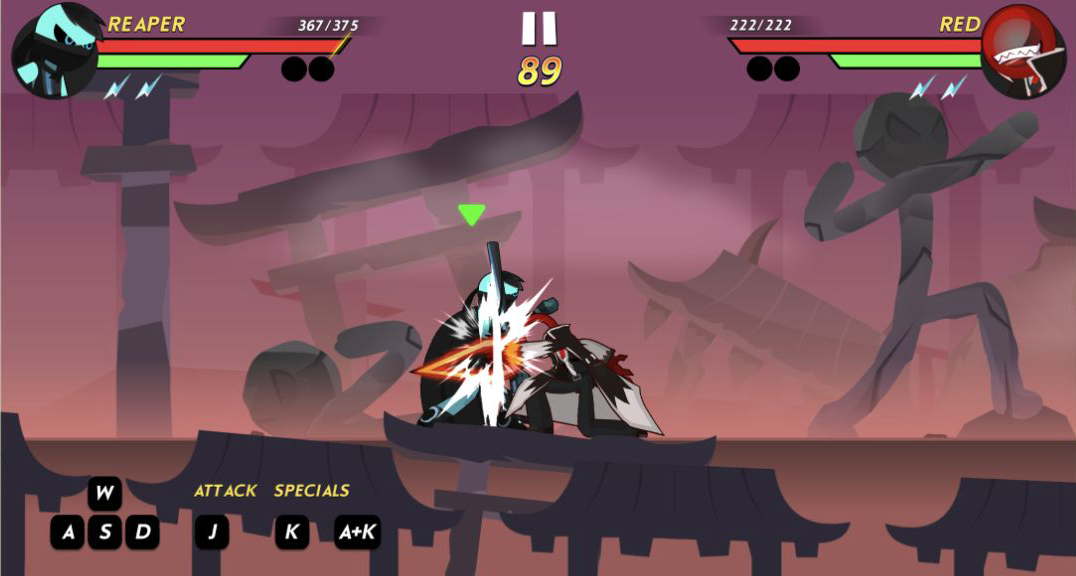
Stickman Kombat 2D Review: Two Reaper Rounds, a 30-Coin Win, and a Tough Mobile Fit punished the opening rush: Red hit Reaper before our player had settled at the right distance. Moving closer with D, using J for ordinary attacks, and saving K for an opening produced clearer hits. The visible HIT counters and changing health values showed which exchanges connected.
Try using a short ordinary attack to check range before committing a special. Follow the opponent and the hit feedback, rather than assuming that a large weapon animation means the attack landed. The direction shown beside K also changed as the fighters swapped sides.
The first recorded round reached the timer with Reaper at 273/375 health and Red at 41/222, and awarded the round to Reaper. That gives a concrete reason to pay attention to health and the clock instead of pursuing a risky final hit automatically. The second round ended with a knockout; these examples describe that Reaper-versus-Red match on Auto difficulty.
Read the trajectory before committing ammunition
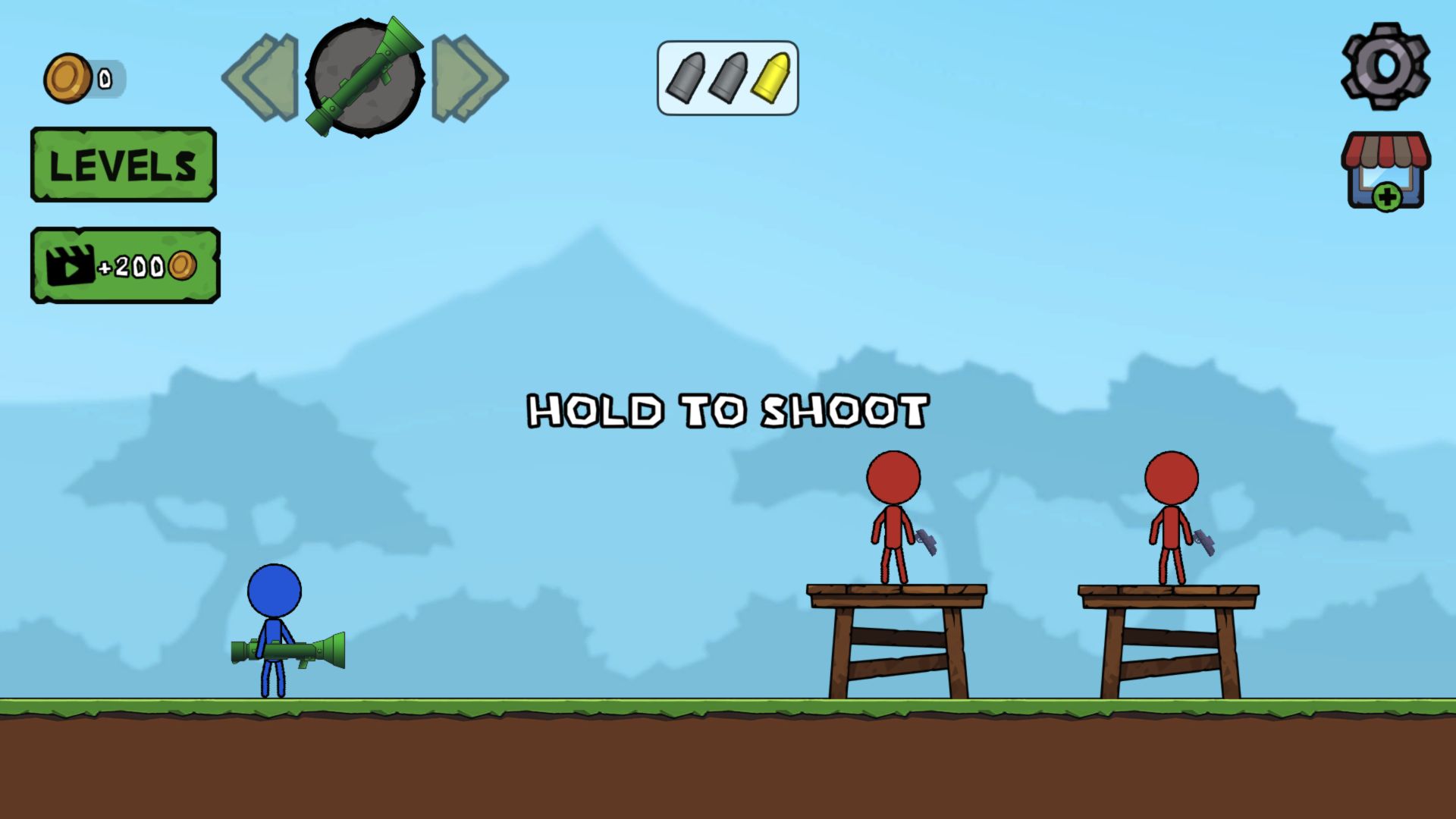
Stick Boy: Bazooka Ragdoll Review — Three Rockets, Two Targets, One Clear opened with two enemies and three rockets. A brief first input displayed the dotted trajectory without spending a rocket, while a second input committed the shot. The aiming preview made height and distance visible before ammunition was used.
Pause while the preview is visible and decide whether you are targeting an enemy or a supporting platform. After firing, inspect what moved or broke before choosing another angle. The reviewed first level used persistent destruction, so the second shot faced a changed arrangement rather than an identical reset.
Our review completed Level 1 and entered Level 2, but did not solve the second level or complete a comparable mobile loop. Use the first-level observations to understand the input and feedback; do not treat them as an optimal route through later puzzles.
Use progress to judge a timing change
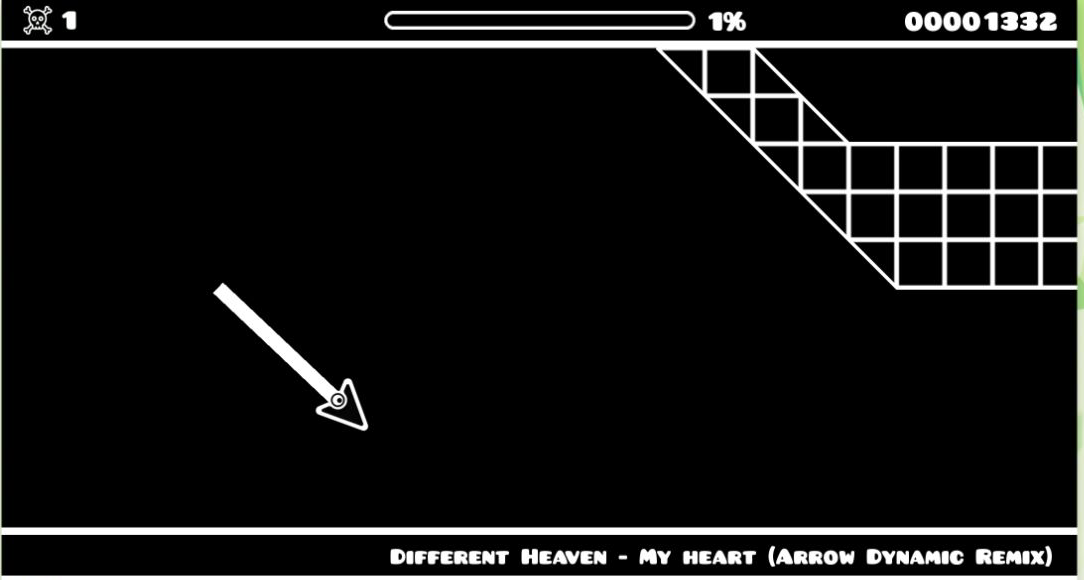
Geometry Arrow 2 — Three Attempts, a 9% Best, and One Brutal Opening Cave provides fast collision resets and a percentage counter. The recorded desktop attempts reached a saved best of 9%. A short second pass also showed 1% progress with 1,332 points, illustrating why a rising score alone is a poor measure of how far you survived.
Choose an early turn and adjust that input on the next attempt. Compare the progress percentage and the obstacle where the run ended. Avoid changing several inputs at once if you want to understand which decision helped. This is a practice method suggested by the clear reset and progress feedback; it is not a tested recipe for completing Level 1.
Touch input started the level and changed direction in the recorded browser-emulation test, but the horizontal course occupied a small band in portrait. Desktop made upcoming gaps easier to read. If the view is the obstacle, distinguish that readability problem from your timing before drawing conclusions about skill.
Keep a short record, then choose your next attempt
Write down three things: where the attempt stopped, what you changed, and what happened afterward. “Stuck at the rock; reversed and turned right; drove free” is more useful than “bad run.” If you cannot identify the result, return to a simpler objective such as making one accepted input or reaching the same obstacle consistently.
These games expose different feedback: BMG shows motion and position, Stickman Kombat shows hits and health, Stick Boy shows ammunition and destruction, and Geometry Arrow 2 shows progress and collisions. Pick one feedback signal to watch. Read the linked review for the full session and device limitations, and take a break when repeated attempts stop teaching you anything.