My first useful mistake happened at eight
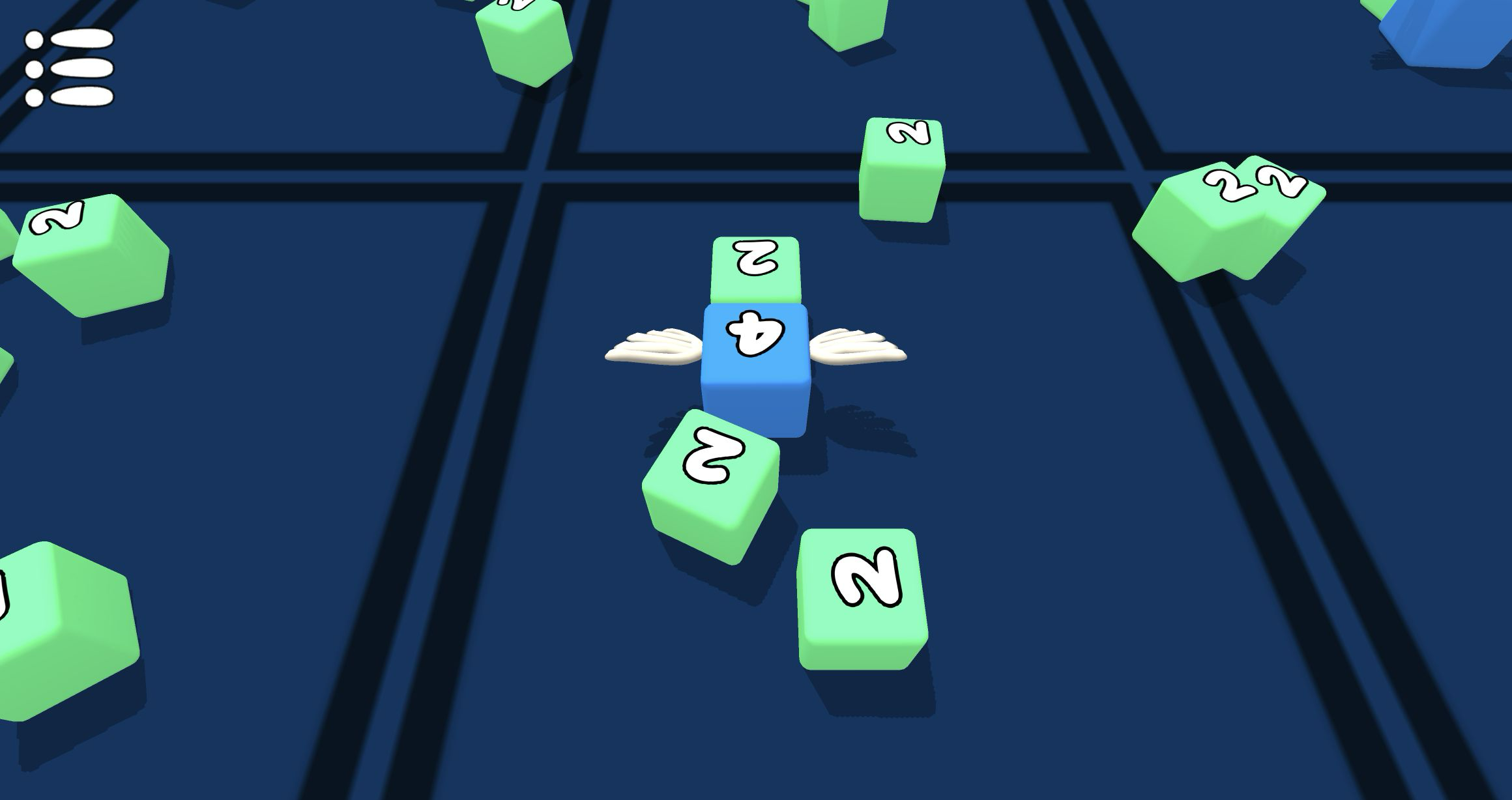
My desktop run began on a plain blue screen that said Tap to start and quietly mentioned that starting weight can be increased from the main menu. One click put a blue 4 cube with white wings in the middle of a navy, grid-like arena. A green 2 followed directly behind it, while loose green 2 cubes were scattered nearby. There was no mission paragraph or countdown to parse. The numbers themselves supplied the rule: collect what is safely below the head and avoid anything larger.
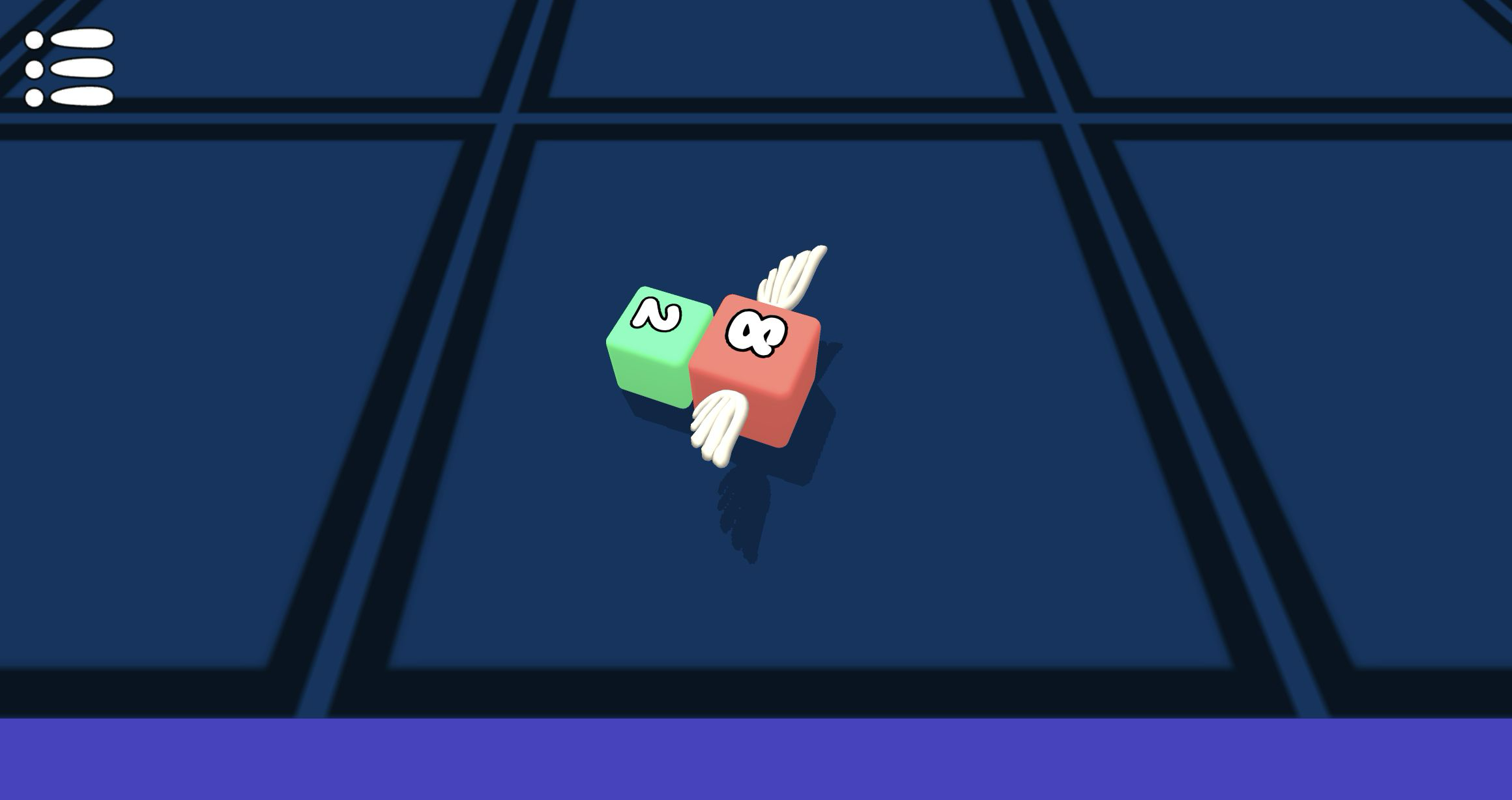
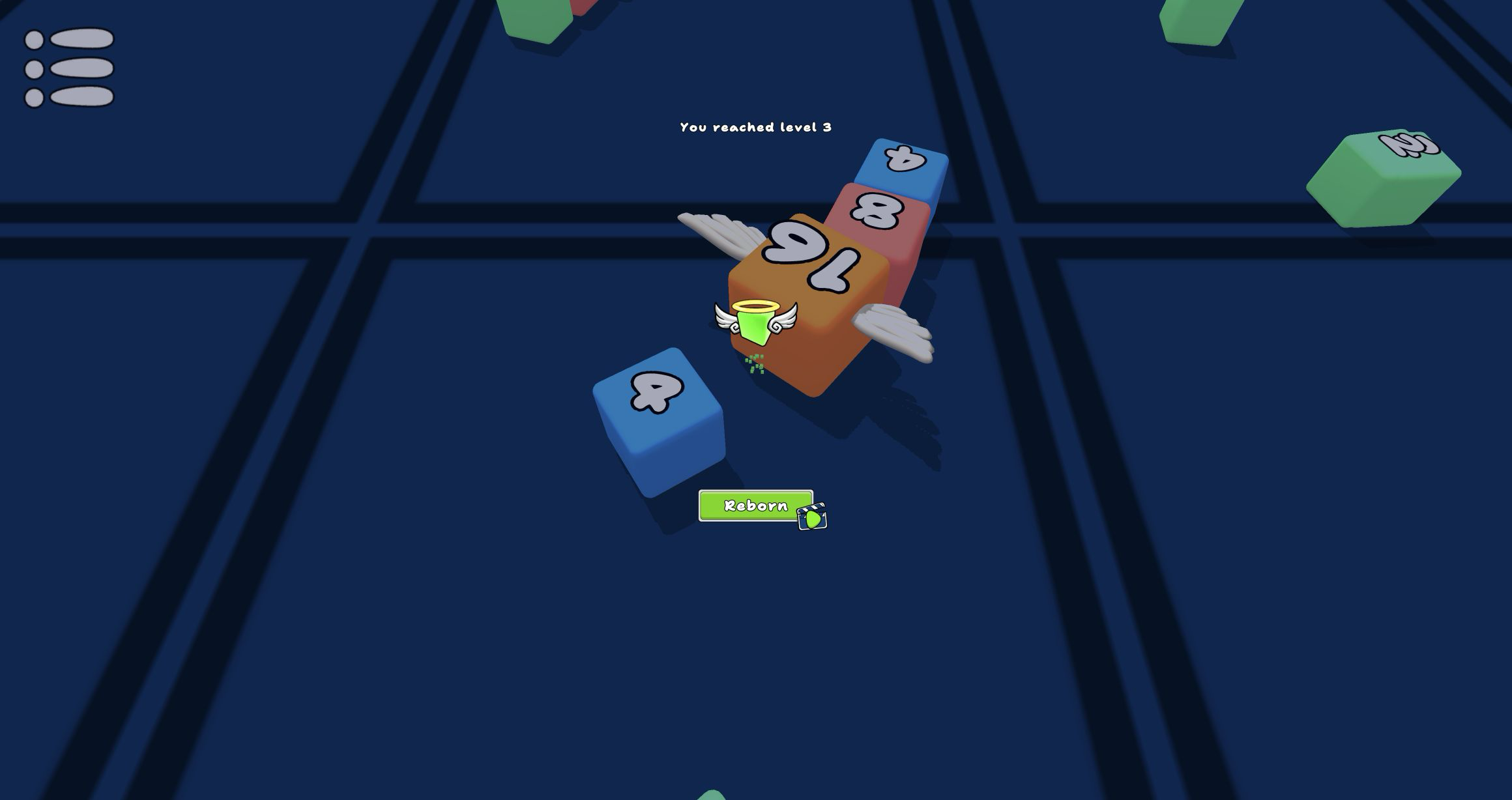
That simplicity made the first minute unusually readable. I guided the head through clusters of green 2s and watched the leading block change to a red 8. The older values did not disappear; they remained visible as smaller pieces in the chain. It is a neat visual version of 2048's arithmetic because progress is not hidden in a bar. The dangerous part is that a larger number also makes the head physically more prominent, so a successful run gradually becomes harder to steer through tight traffic.
Continuous steering rewards an early route, not panic turns
On desktop, the snake turns toward the mouse pointer. It does not move one square at a time, and there is no brake button in the tested build. I got better results by placing the pointer well ahead of the head and drawing broad arcs through open tiles. Small, frantic corrections made the camera swing and brought the chain close to blocks I had not fully read. The most useful habit was deciding on an exit before collecting a cube rather than steering directly into every edible number.
The arena is visually sparse enough for this to work. Dark blue floor panels and heavy black seams provide a stable background, while green, blue, red, and orange cubes stand out clearly. The handwritten numerals remain readable even when two chains overlap. The camera stays close, however, so the game is less about surveying the entire map than reacting to the next few bodies entering view. A clean line of small cubes can be more valuable than a risky shortcut toward one tempting block.
An orange 16 ended the desktop run at level 3
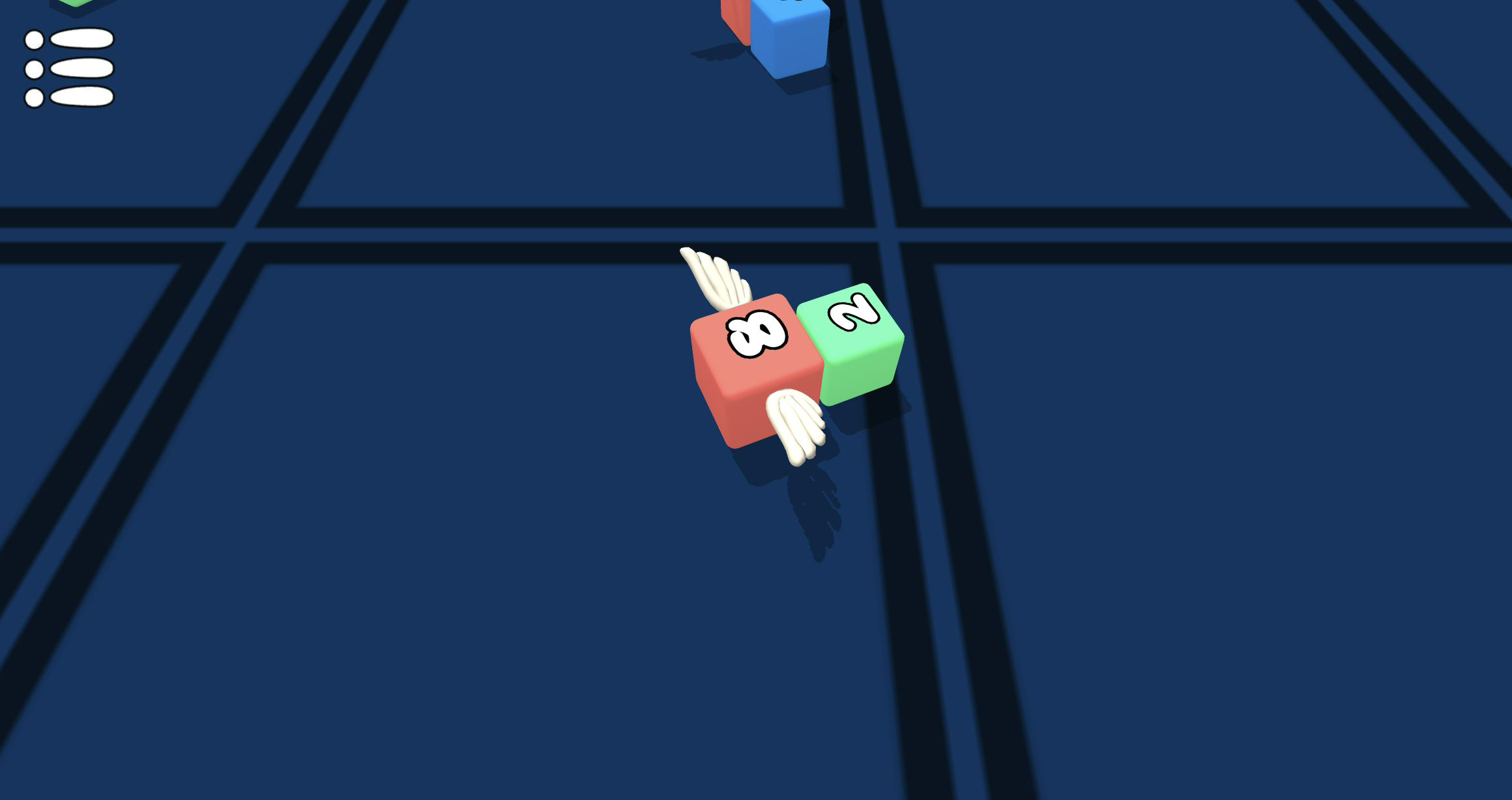
The decisive encounter came when my head was still 8 and an orange 16 chain entered near the top of the view. I steered toward it to test the collision rule instead of preserving the run. Contact ended the attempt immediately. The overlay said You reached level 3, dimmed the arena behind it, and offered Reborn with a small video symbol. I left that rewarded continuation alone, so the result is a genuine failed run rather than a rescued one.
That failure clarified the game's best tension. Growth is fast enough to feel rewarding, but the latest number is not permission to charge into everything. A player who only watches the nearest green 2 can miss a larger head crossing the same route. For a first run, I would keep the pointer in open space, read every visible rival number before turning, and give the chain room to follow. The game punishes a bad approach instantly, but restarting the direct build is quick.
The 390x844 modal made the same growth feel much closer
I also opened the local Playflaming page at 390x844 and used its Play button, which correctly replaced the page with a fullscreen player dialog. The underlying recommendations were outside the active view, page scrolling was locked, and a visible back/exit control remained at the top left. Inside that modal, persisted progress started the next run at 8 with 4 and 2 behind it. I grew the head through visible 16, 32, and 64 states before crashing at level 6.
The narrow layout is not merely a shrunken screenshot. A 32 or 64 head fills a substantial share of the portrait playfield, and lateral threats arrive with less surrounding context than on the wide desktop view. There is an important testing limit: this browser session reported no touch capability, so I operated the modal with pointer actions. That verifies the fullscreen path, portrait composition, readable HUD, and pointer-operable loop, but it does not establish touch feel or performance on a physical Android or iOS device.

Ads frame the session more than the game itself does
The playable build itself is almost frictionless once loaded, but the distribution wrapper adds steps. On the local desktop page I pressed Play, then Let's Play on the Playgama screen, and then closed a preroll before reaching the build. The longer portrait session also produced interstitials. I used only their close or decline controls and did not click an ad creative. After the level 6 crash, declining Reborn led to a reward summary showing 46 earned.
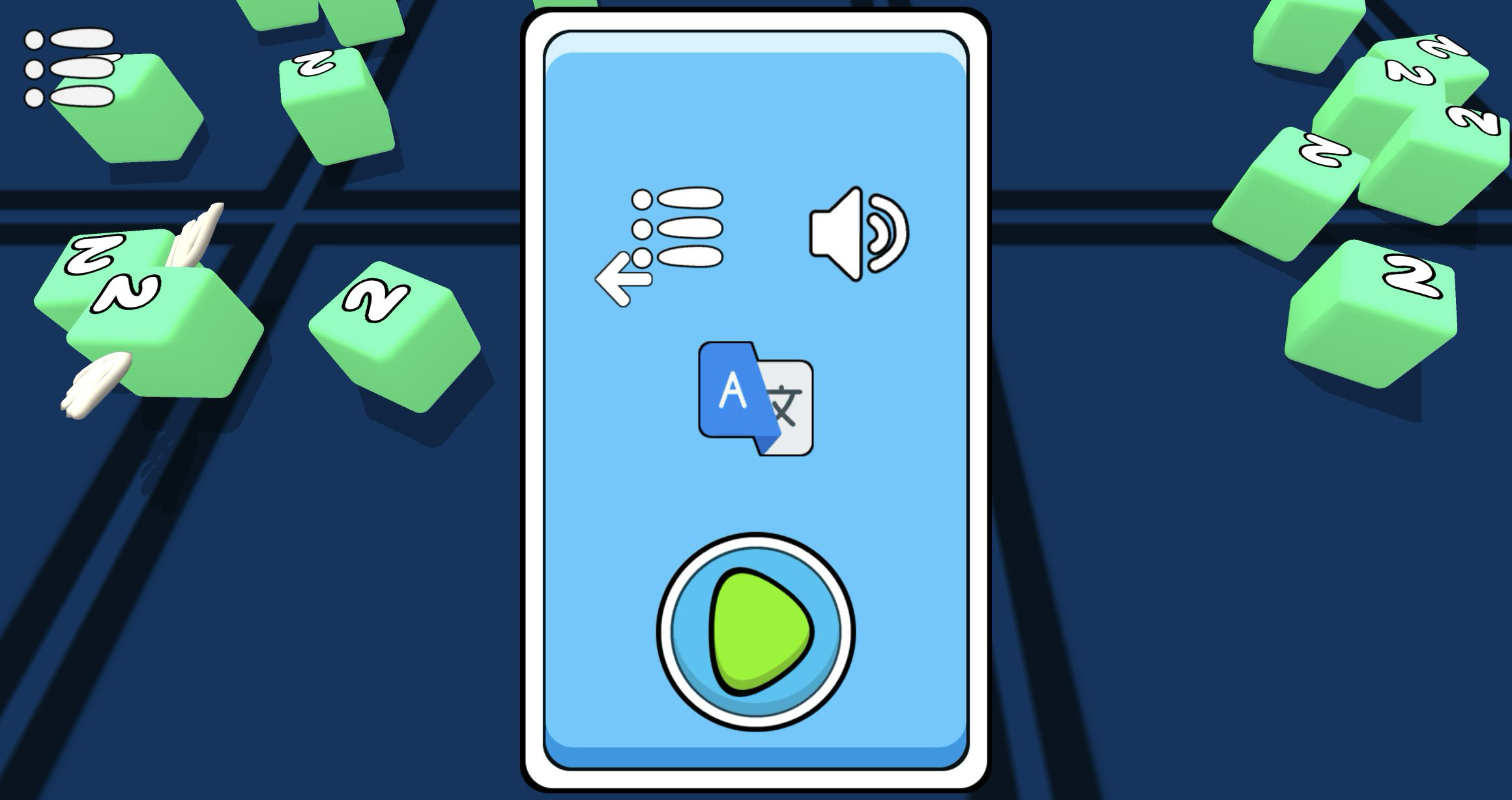
No login request, account creation, store checkout, or purchase prompt appeared in either tested loop. The in-game overlay was limited to back, sound, language, and resume controls. That keeps the actual arena uncluttered, though players who want uninterrupted retries should know that the Reborn button is visually associated with a video.
A compact score chase for players who like visible risk
Snake 2048 works best as a short score chase for players who enjoy simple rules with unforgiving contact. The 2048 influence is visual and tactical rather than a traditional sliding-grid puzzle: numbers define what is safe, the chain records recent growth, and every approach becomes a quick size comparison. It is easy to understand in seconds, but surviving requires more restraint than the cheerful cube faces suggest.
My two recorded outcomes were modest and honest: level 3 after driving an 8 into a 16 on desktop, and level 6 after growing to 64 in the 390x844 Playflaming modal. Those runs were enough to show the appeal and the limitation. Growth delivers frequent visual payoffs, while the close camera and continuous motion can turn one late decision into an abrupt stop. Start by farming isolated 2s, steer in arcs with a planned exit, and treat every partially visible orange or red block as a question before committing to it.
