My First Magic School Board Ended at 160 Points
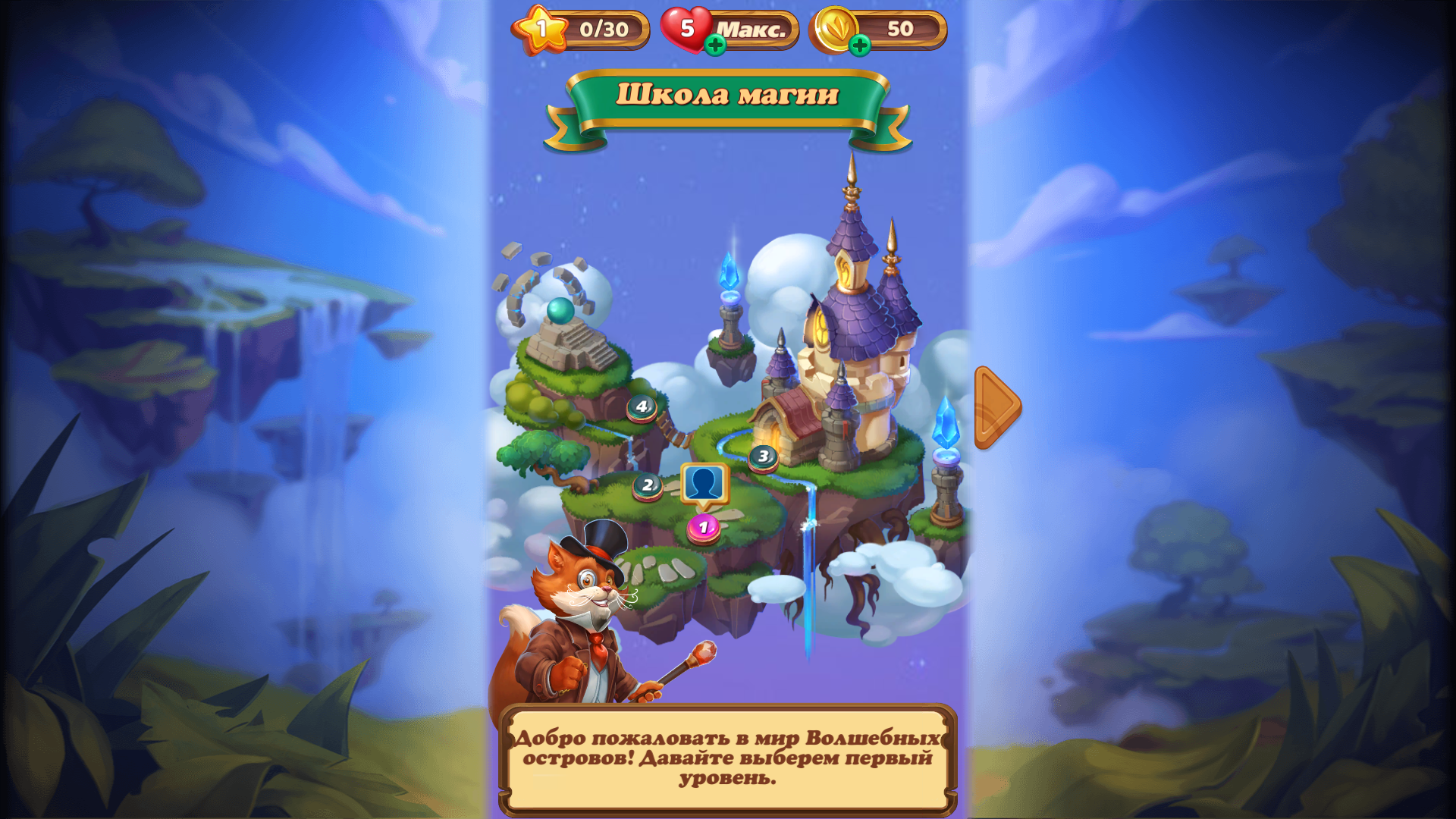
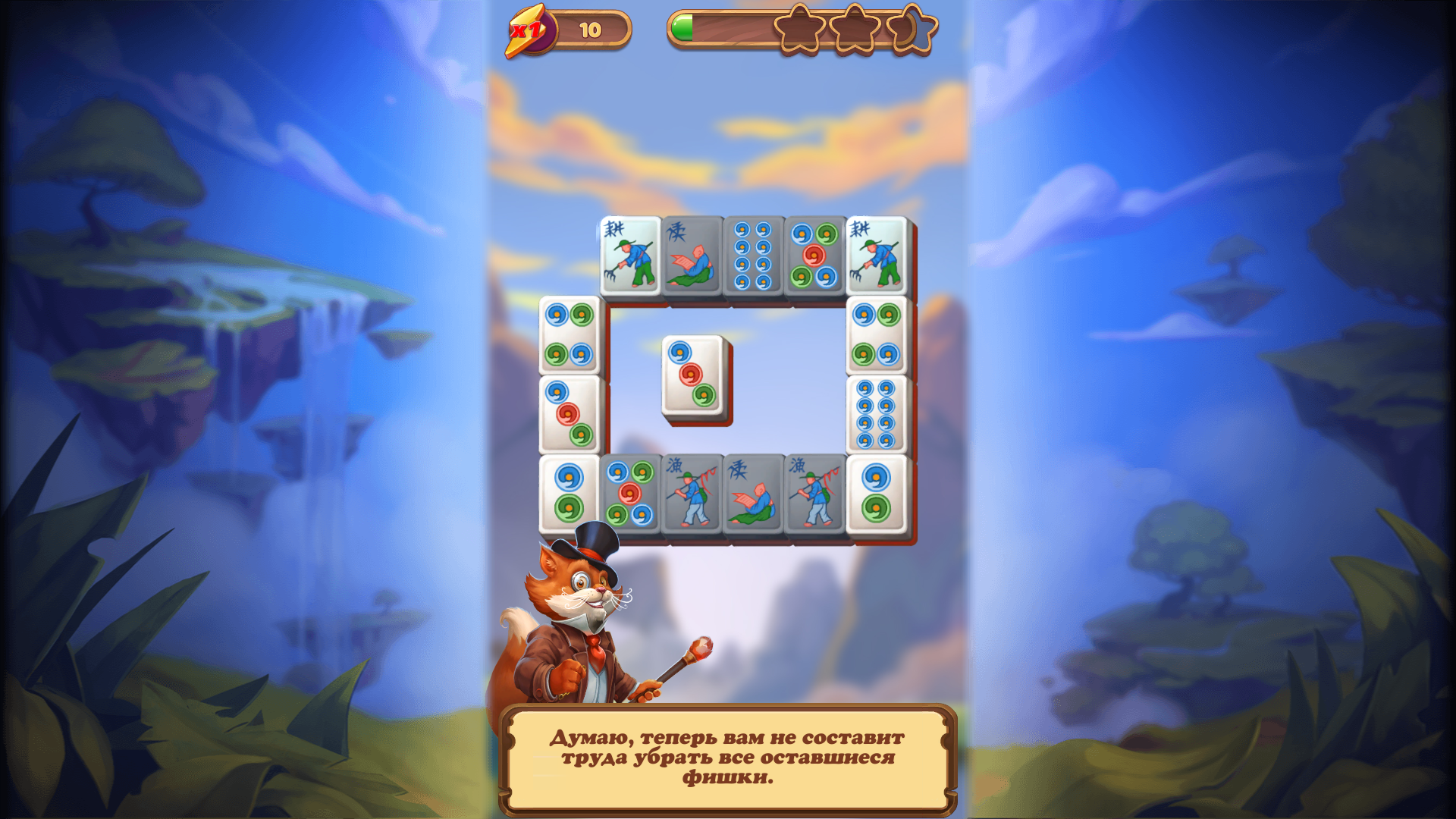
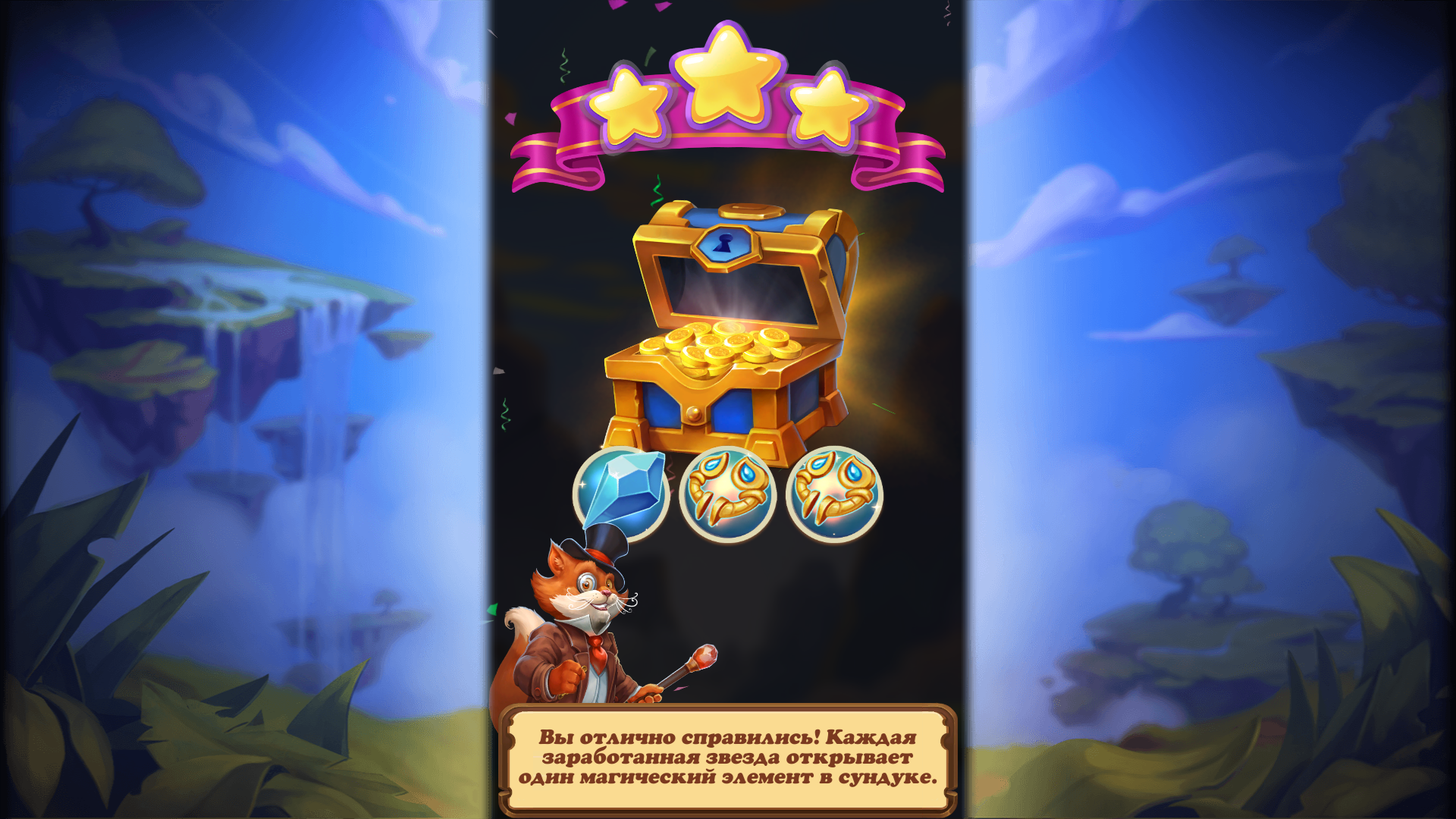
My first complete run through Mahjong Magic Islands took nine pairs. The opening Magic School level placed 18 illustrated tiles in a small layered layout and gave me five lives, 50 coins, and a three-star track to protect. After clearing every tile, the result screen awarded 160 points and all three stars. A chest then displayed a blue gem and two curled talisman-like rewards, while the result message explained that each earned star opens one magic item.
That is a modest first puzzle, but it teaches the game's actual test clearly. This is not traditional four-player mahjong and it is not a timed tile flood. It is a solitaire matching board: choose two identical tiles only when they are exposed enough to be selected. The first stage is short enough to learn by touch, yet it still punished my one careless attempt to match a fish tile that remained blocked by the surrounding stack. Nothing dramatic happened; the pair simply refused to clear, which was useful feedback before the board became busier.

The Open-Side Rule Matters More Than Spotting Identical Art
The tutorial begins with a forced flower pair and shows the key rule visually: an identical symbol is not enough; a tile also needs a free side. Once the flowers disappeared, I worked from the edges inward. This made the board feel closer to a small spatial lock than a simple memory exercise. The art is distinct—fish, flowers, fans, and other bright icons are easy to compare—but the useful question is always which pair will expose another pair underneath.
My blocked-fish mistake happened because I read the pictures before the structure. The fish matched, but one tile did not yet have a legal route out of the stack. I corrected by clearing adjacent outer pieces and returned to the fish later. For an opening-level strategy, that is the best habit I found: prefer matches that release two new edges, and do not spend time repeatedly tapping an obvious pair if the board has not physically opened around it.
The Last Two Pairs Showed Why Edge Planning Works
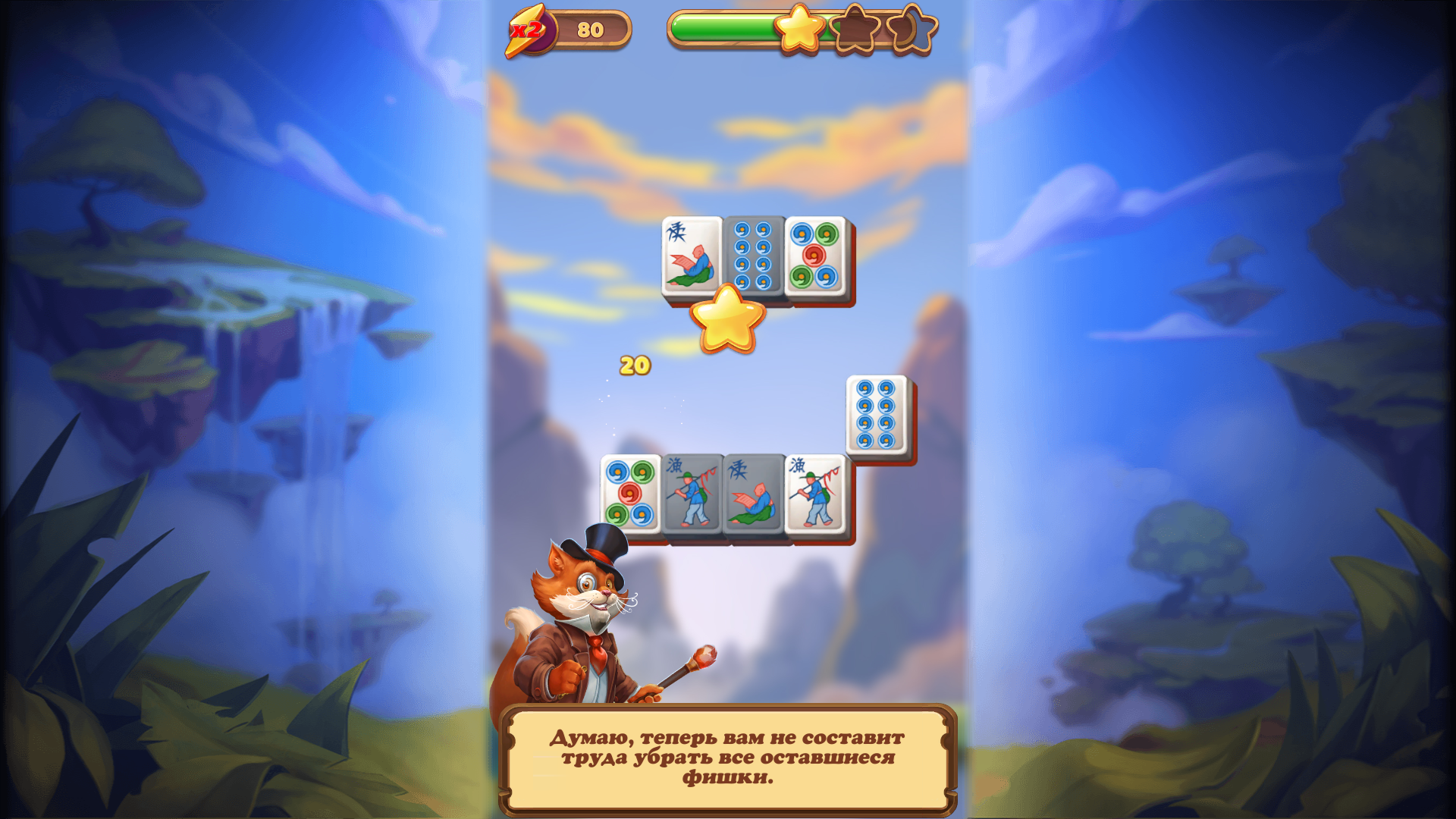
By the final four tiles, the advantage of clearing from the outside was visible. Both remaining symbols had an accessible partner, so there was no need to reshuffle or hunt for an emergency tool. I could finish in a straight sequence and preserve the full star result. Level 1 does not reveal how demanding later layouts become, but it does establish the game's preferred rhythm: scan, compare accessibility, clear, then scan again after the stack changes.
The interface helps that rhythm. Selected tiles receive a visible highlight, removed pairs animate away cleanly, and the score track remains at the top rather than covering the board. On desktop, the portrait game area sits inside wide painted scenery. That leaves generous empty space around the board, but the mouse makes individual tiles precise. I never confused two icons because of their size, and the final pairs remained easy to read even after several layers had disappeared.
Three Stars Opened Every Item in the First Chest
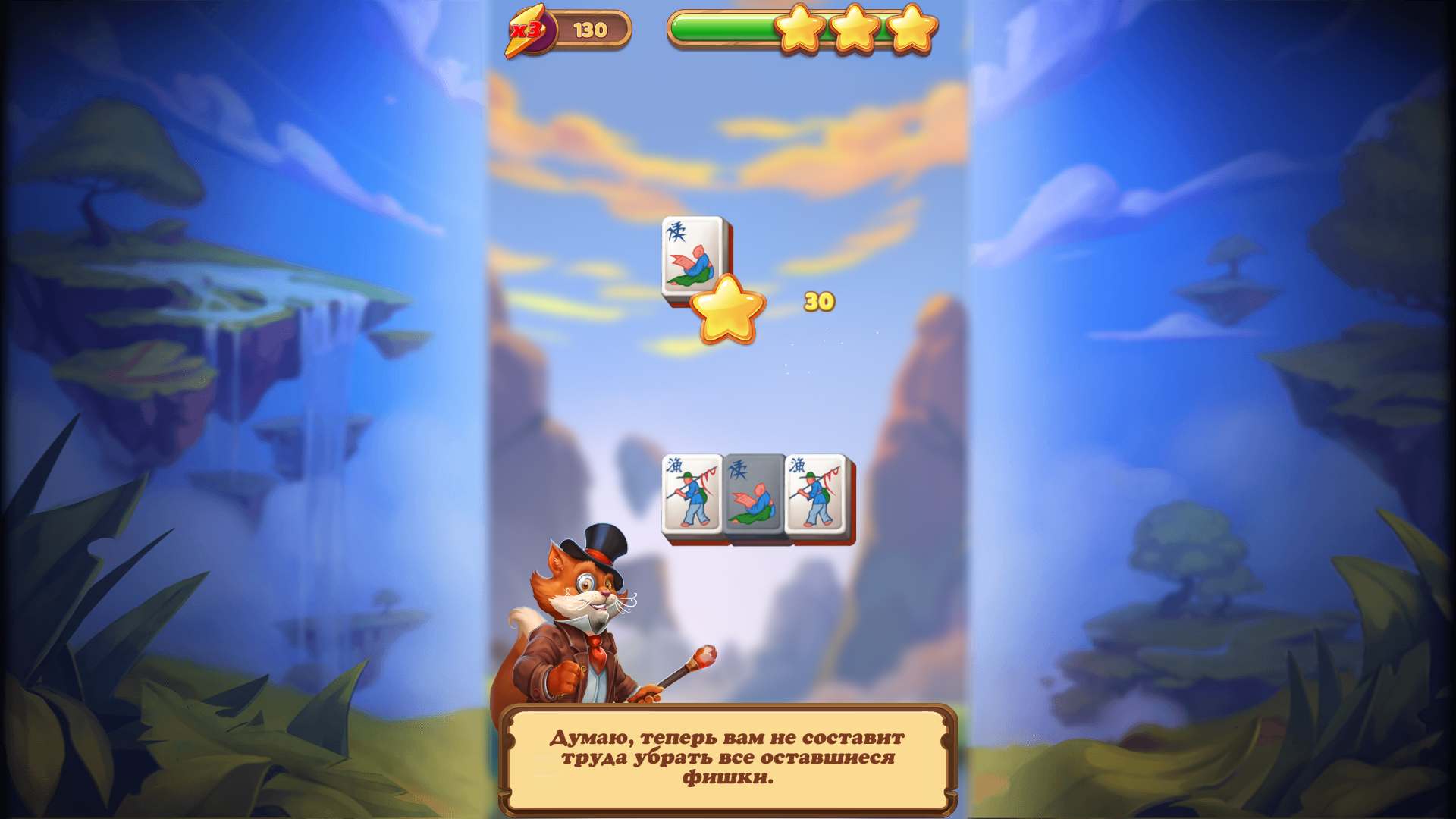
The victory screen gave the first run a concrete result rather than merely sending me back to the map. My 160 points filled all three stars, and the chest presented three visible rewards. The explanation ties those rewards directly to performance: every star opens one item. That makes the star meter more meaningful than a decorative grade, because dropping a star can also reduce what the chest reveals.
I did not encounter a purchase prompt during the puzzle or on the reward screen. The catalog record also labels in-game purchases as unavailable. The interruption came from advertising instead: a Playgama interstitial appeared before the initial desktop session, and the mobile flow showed additional ads around level start and after victory. I used only the visible skip or close controls and did not follow any advertisement call to action.
Portrait Mobile Play Fit the Board Better, but the Modal Kept a Clear Exit
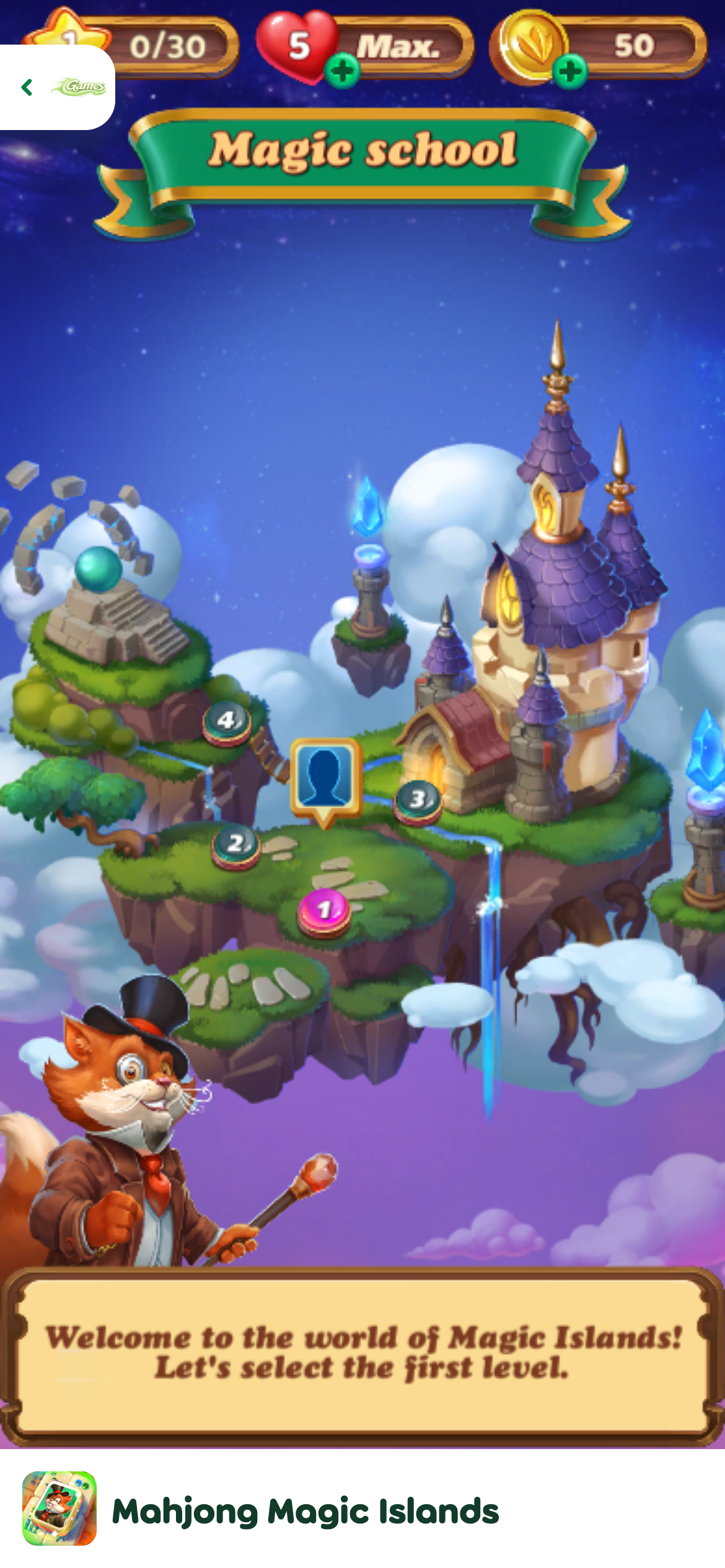
I repeated the first-level loop through the site's mobile Play button at a 390-by-844 touch viewport. The game opened in a full-screen modal covering the viewport, and the site's exit-game control remained visible in the upper-left corner. The portrait board used the narrow screen more naturally than the wide desktop presentation: tiles occupied a larger share of the display, touch targets were comfortable, and the page's recommendations and navigation were not mixed into the active game view.
The mobile board was randomized rather than copied from my desktop layout, but the rules and outcome were comparable. I again cleared nine pairs, scored 160, and earned three stars. This makes mobile my preferred way to play short boards, while desktop remains a good choice for players who value mouse precision. One odd localization detail is worth recording: the desktop game rendered several labels in Russian, while the mobile modal used English, even though the current catalog lists only en-US support. The mechanics were still readable, but the inconsistency could surprise an English-only player.
A Long First Load and a Lost Life Were the Real Friction
The biggest barrier was reaching the board. The desktop session fetched a Unity data file of about 42.7 MB and took roughly two minutes before the game became playable in this test environment. Mobile required another substantial wait. Once loaded, matching was responsive, but this is not the sort of game I would open for a one-minute break on an unstable connection unless the browser cache was already warm.
I also learned that leaving an active mobile attempt has a cost. An interrupted reload returned me to the map with four lives instead of five and a recharge timer reading about 12 minutes and five seconds. I restarted, completed the board, and recovered the full evidence loop, but the lost life makes accidental exits more important than the gentle first puzzle suggests. Keep the visible modal exit control in mind, avoid refreshing mid-level, and finish a board before switching away when possible.