My First Livestream Look Was Stylish, but It Wasn't the Winning Look
The first versus round presents my doll on the left and an opponent on the right, then moves through a compact sequence of style choices. I selected black braided hair, applied a blue-and-pink ruffle gown, and finished with wings from an accessory group that also included diamond and bunny-themed options. The interface is visual and direct: choose an item, apply it, and watch the doll update before the comparison.
This opening is less about building a huge wardrobe and more about making three readable choices under a simple competitive frame. There was no written theme card on the first run that clearly explained the judge's preference, so my selection was based on cohesion. The cool hair, bright gown, and fantasy wings looked intentional together, even if they did not match whatever combination the opponent's score favored.
The Result Was a Loss, but It Still Added 27 Followers
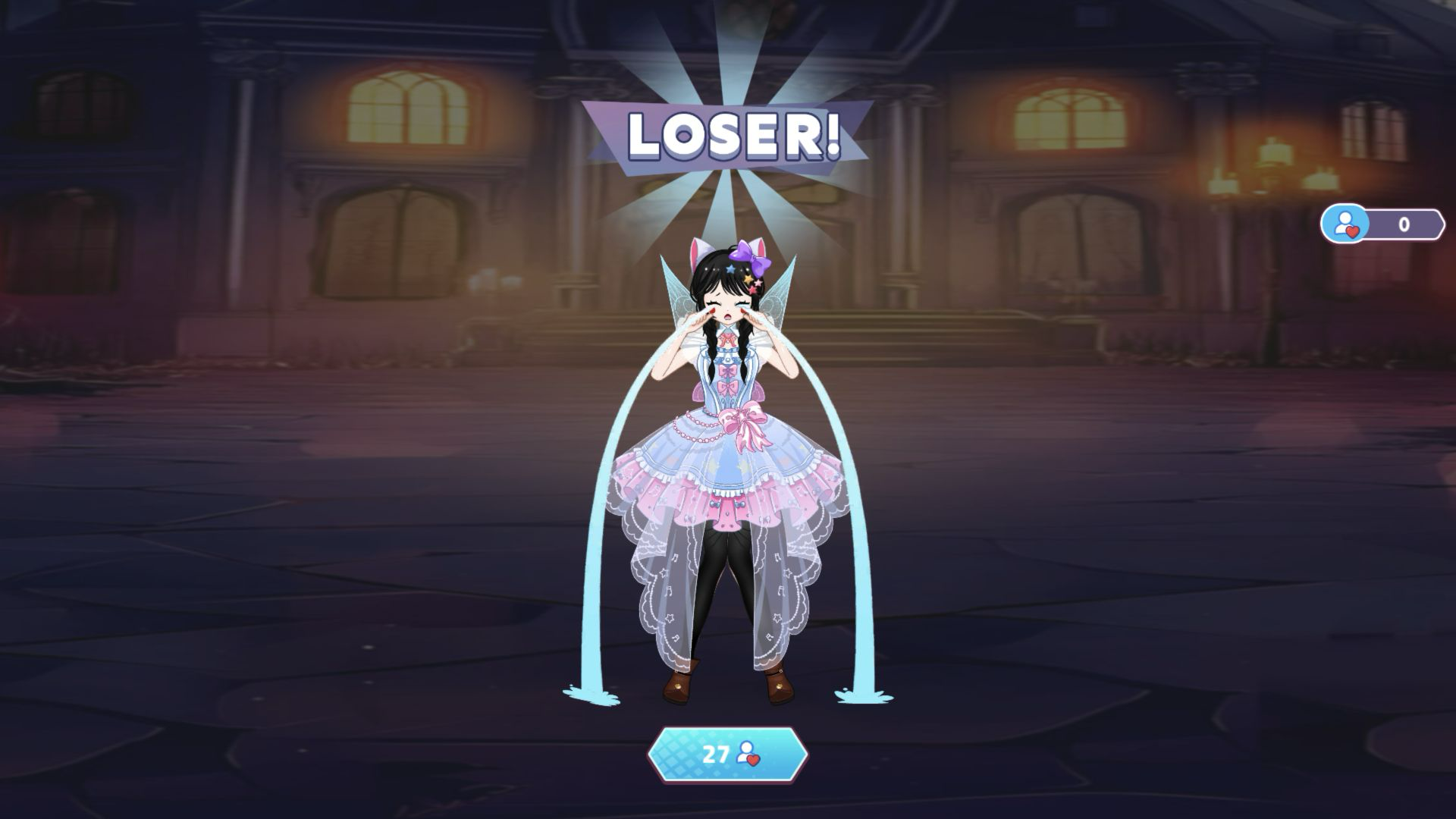
The livestream result did not soften the verdict: it displayed ‘LOSER!’ above the styled doll. The reaction animation settled at 27, and the follower total later reflected the same number. That is a useful progression choice. A failed contest still advances the profile instead of erasing the round, so experimentation does not feel like wasted time.
The result screen offered Home and Retry rather than forcing an immediate replay. I saw no purchase prompt or account gate during this completed round. The number 27 is the observed result from this styling sequence, not a fixed reward. Different item choices or an opponent matchup may produce a different audience response.
Retry Reveals the Opponent Gap Before the Next Theme
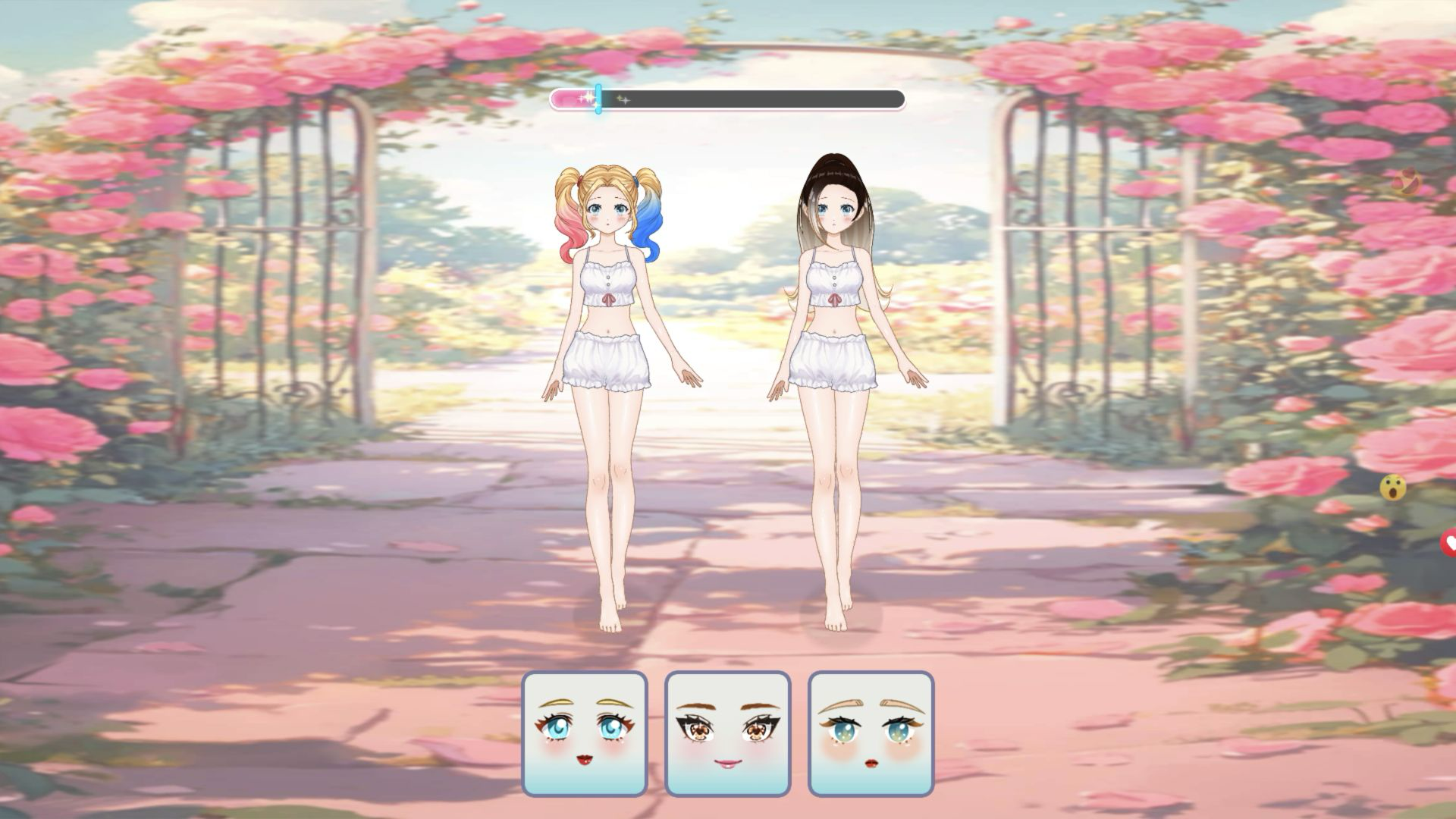
Retry moved to a matchup screen showing my 27 followers against Abigail's 118. A spinning theme carousel cycled through labels including Fantasy, Beach, Halloween, Christmas, Kuromi, Cinnamoroll, and Hello Kitty. That presentation reframes the game: the wardrobe is not only about personal taste, because each round can ask for a recognizable visual language.
The follower comparison is motivating without pretending the first round was close. It gives the next contest a concrete target and explains why a coherent outfit may still lose to a better theme match. My practical takeaway was to wait for the theme, then make each category reinforce it. One excellent dress cannot fully rescue hair and accessories that tell a different story.
The Hub Turns One Contest into a Small Creator Career
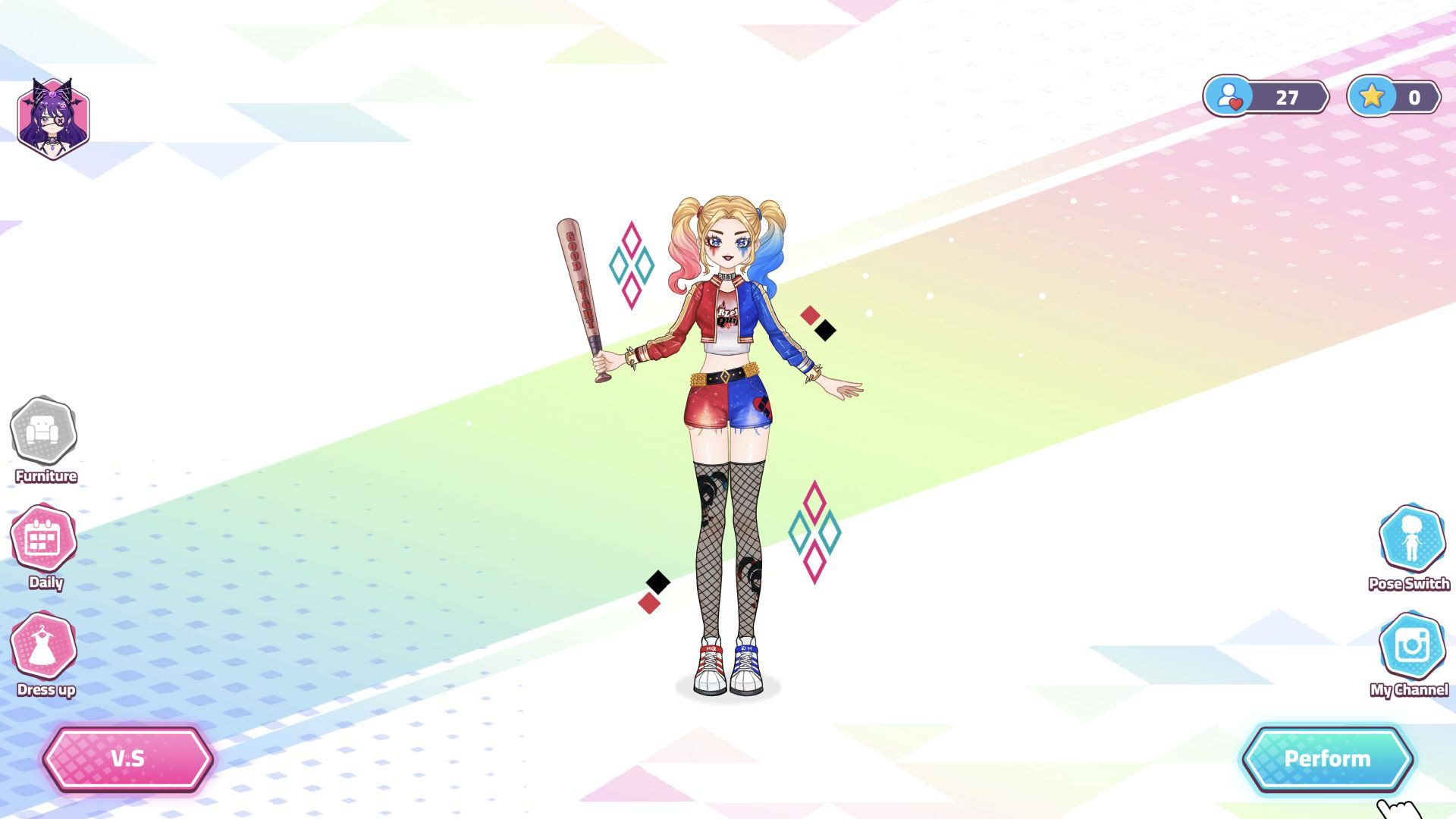
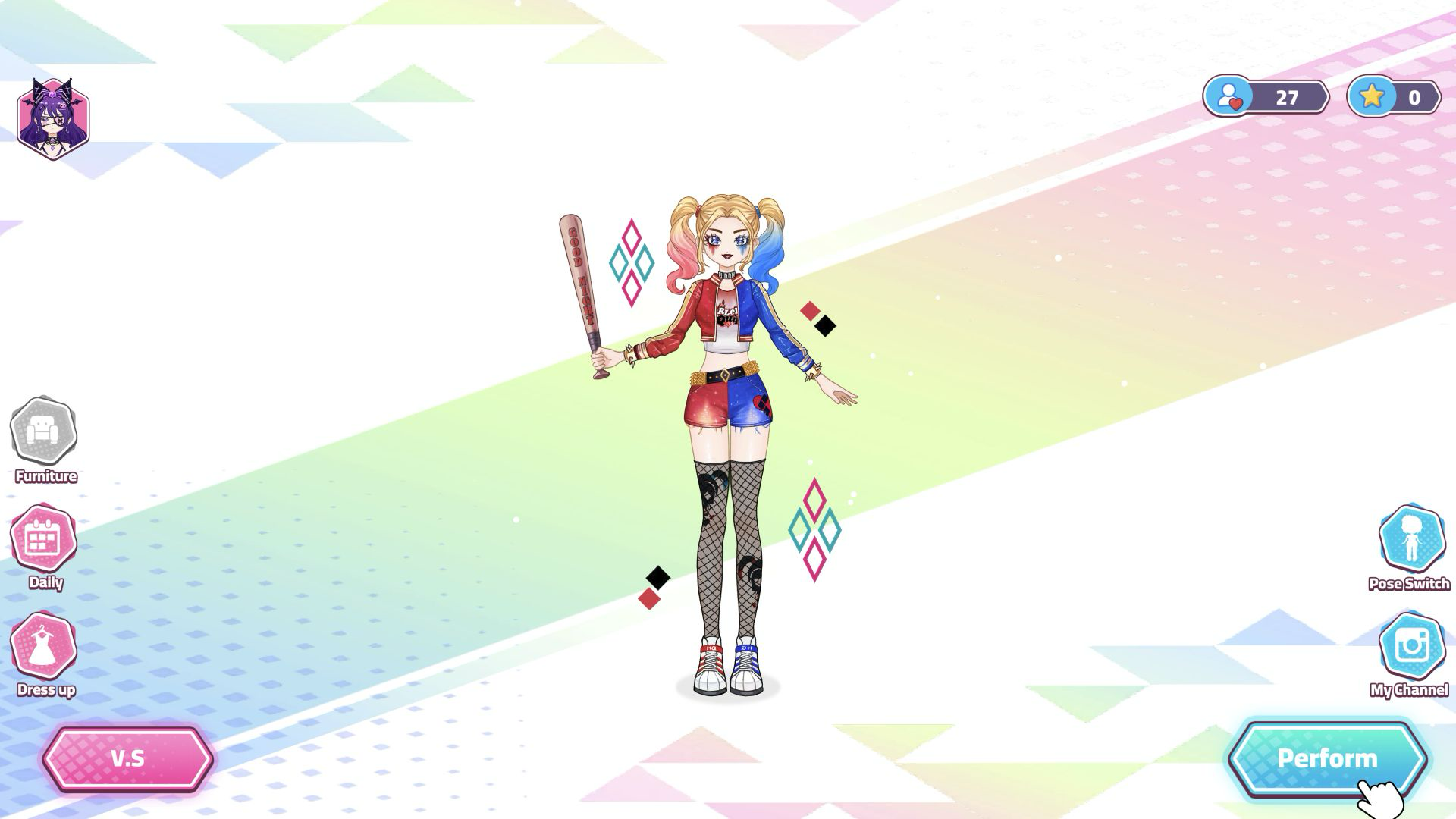
Home returned to a creator hub rather than a bare level map. My avatar stood in the center with 27 followers and zero stars. The visible actions included Daily, Dress up, V.S, Pose Switch, My Channel, and Perform, while Furniture was disabled in the observed state. The layout suggests a light career loop: style the character, enter performances or contests, collect attention, and revisit the profile.
I chose Perform because it offered a different kind of guidance from the versus round. The hub is also where the game's personality is clearest. It borrows the language of livestreams and channels, but the actual interaction remains a dress-up catalog rather than social networking. No real message posting or account connection was required during the test.
The Valentine Hint Finally Explained What the Judge Wanted
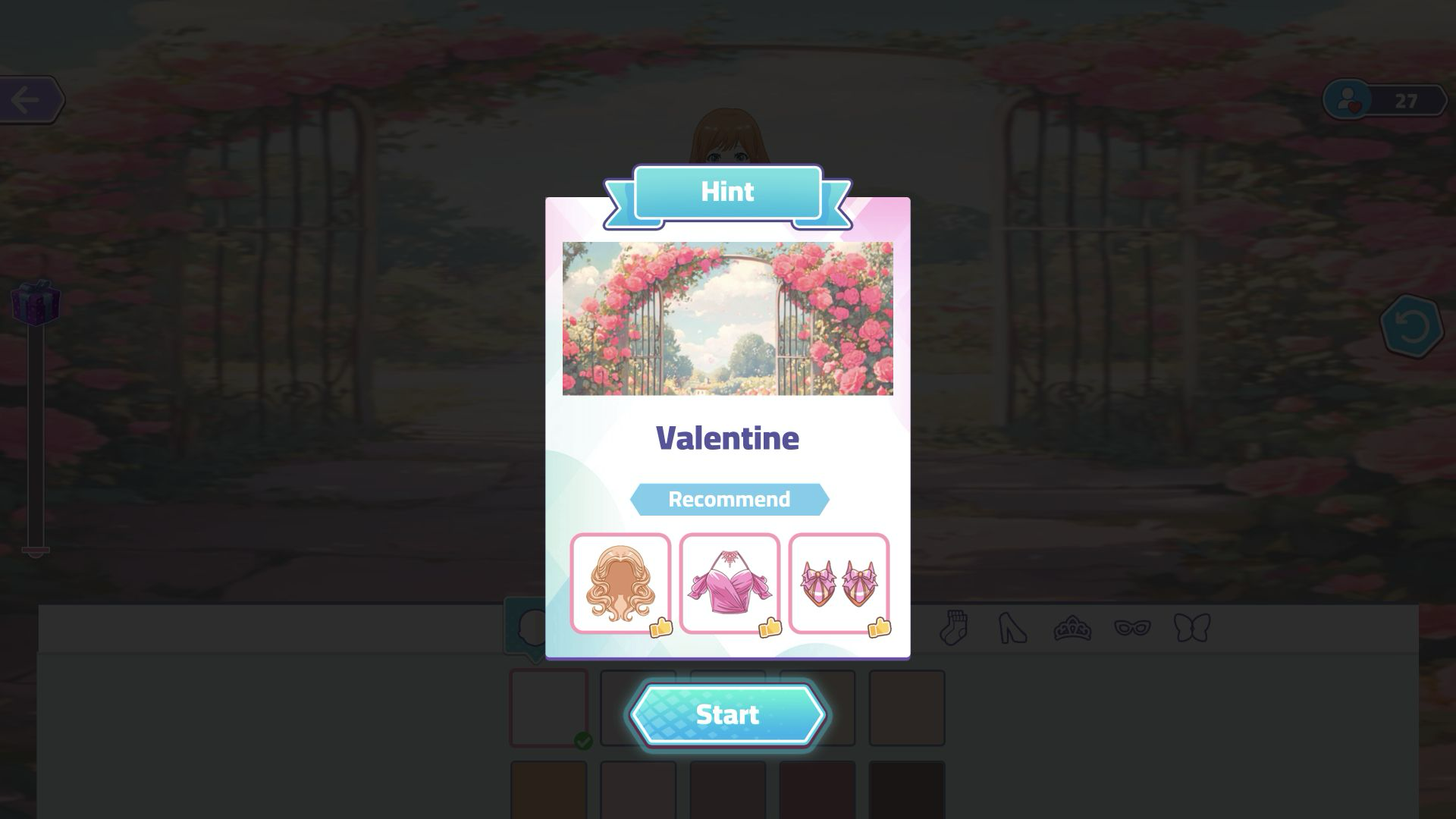
The Perform roulette stopped on Valentine and then displayed a hint card with three recommended pieces: blonde wavy hair, a pink off-shoulder top, and a pink-and-gold accessory. This was much stronger feedback than the first versus round because it translated the theme into actionable wardrobe goals. I could still improvise, but the game had made its preference legible.
A good strategy is to identify the recommendations before opening the catalog, then secure those anchor pieces first. After that, use shoes, bag, glasses, or wings to support the palette rather than compete with it. Theme matching is easier when the largest visual areas—hair and clothing—are settled before small accessories start pulling attention in different directions.
The Full Catalog Rewards Theme Discipline
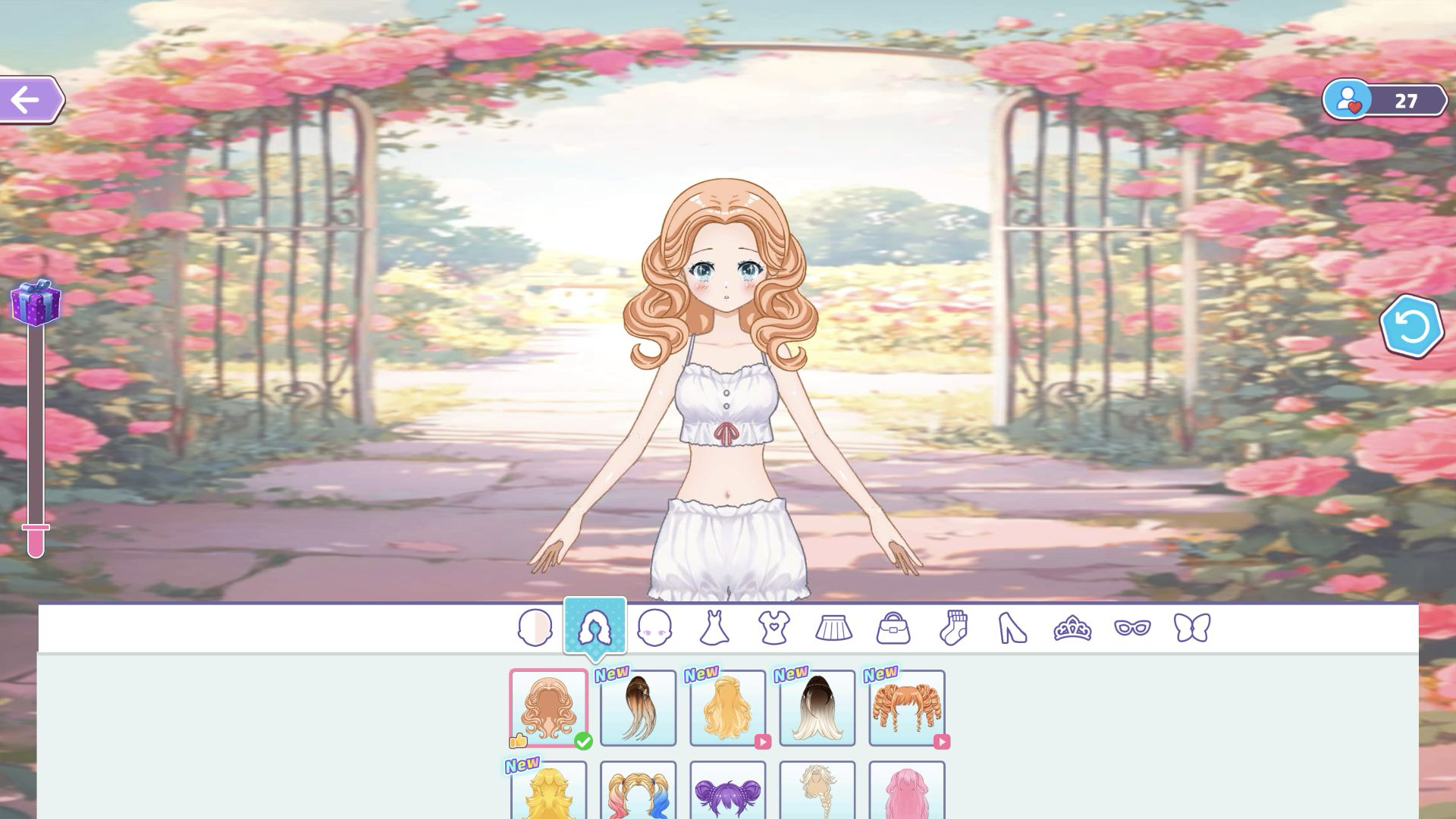
The Valentine wardrobe expanded into many categories: skin, hair, face, dress, top, skirt, bag, socks, shoes, headpiece, glasses, wings, and more. I applied the first blonde wavy hairstyle and received a visible thumbs-up marker. I then moved to tops and selected the recommended pink off-shoulder piece, which received the same confirmation. Those markers make the recommendation system verifiable rather than cosmetic flavor text.
The catalog's breadth is the main reason the game has more staying power than the three-choice opening suggests. It supports both guided play and free styling. Players who want a score can follow the theme anchors; players who mainly enjoy character design can ignore the ideal and build a personal look. The tradeoff is that the many category icons take time to learn, especially before their silhouettes become familiar.
Mobile Opened the Correct Fullscreen Player, but the Game Stayed on Loading
Mobile QA used the actual Playflaming flow: a mobile device profile loaded the game page, Play opened the fixed fullscreen popup, and the Exit game control was visible inside that player. I tried both iPhone SE and Pixel 7 emulation. In both sessions, the game export remained on its animated Loading screen for the observed test window instead of reaching the hub or wardrobe. The mobile screenshot records that fullscreen state and does not substitute a direct export or show the page underneath.
Because the mobile loop did not become playable, I am not claiming equivalent touch controls, performance, or completion. The recommendation is therefore desktop-first based on the verified run. On desktop, Idol Livestream offers a cheerful mix of quick contests, follower progression, themed hints, and a much deeper catalog than the first round reveals. It is best for players who enjoy dress-up systems with light competition; anyone seeking a reliable mobile session should treat the observed loading behavior as a reason to test the player before committing time to a run.

Verdict: Follow the Theme, Then Make It Yours
The first loss made Idol Livestream more interesting, not less. It exposed the follower loop, introduced a stronger opponent, and pushed the session toward a theme with explicit recommendations. The Valentine performance was the clearest expression of the game's design: secure the suggested anchors, confirm them through thumbs-up markers, then use the larger catalog to add personality around the judge's expectations. That balance gives goal-oriented players a route to improvement without removing free-form dress-up.
Desktop is the only platform I can recommend from a completed loop in this test. There, the catalog was readable, Apply actions responded consistently, and progress from the 27-follower loss persisted into the hub. The game fits players who enjoy fashion catalogs, character makeovers, collectible progress, and low-stakes competition. It is less suitable for someone who wants transparent scoring formulas or guaranteed mobile access. The most productive mindset is to treat each result as feedback for the next theme, not as a verdict on the outfit's creativity.